Quick answer: Dog ice cream is a frozen treat made from dog-safe ingredients like banana, blueberries, plain pumpkin or plain unsweetened yoghurt, with no sugar, chocolate or xylitol. Blend, spoon into moulds and freeze. Keep portions small, because treats count toward your dog's daily food, and check with your vet first if your dog has health problems.
Making dog ice cream takes about five minutes of mixing and a few hours in the freezer. This guide has four easy recipes, the ingredients to keep out, how much is sensible, and two moulds that make it tidier. It's the hub of our summer treats guides, so you'll also find links to frozen dog treats, fruit safety and more at the end.
Quick picks
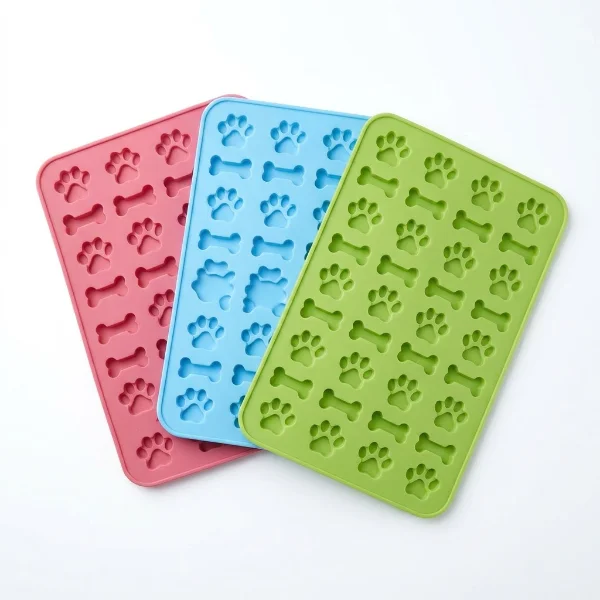
Silicone dog paw and bone moulds, 3-pack
Three moulds with six paw and bone cavities; the listing says freezer and dishwasher safe.
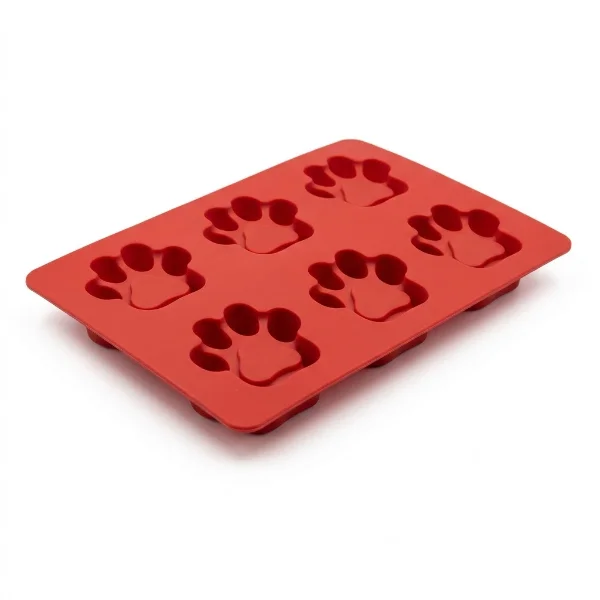
Selecto Bake dog paw print mould
Six small paw cavities that keep portions modest, and it fits a small freezer.
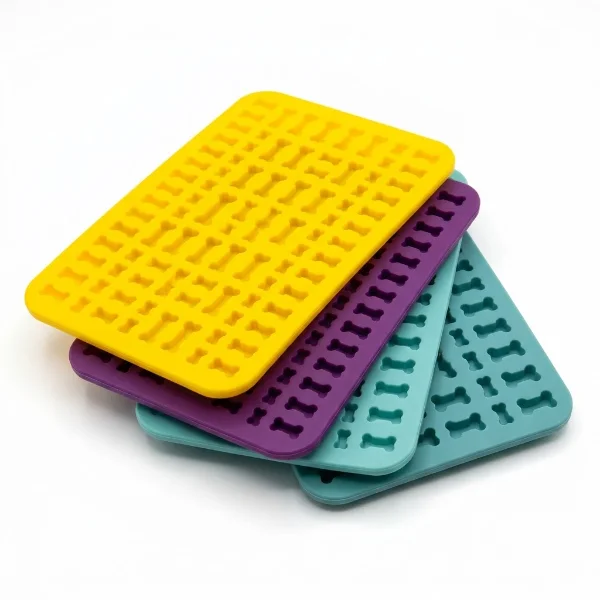
Silicone mini dog bone mould set
Three sheets in bone, heart and donut shapes for small bite-sized treats.
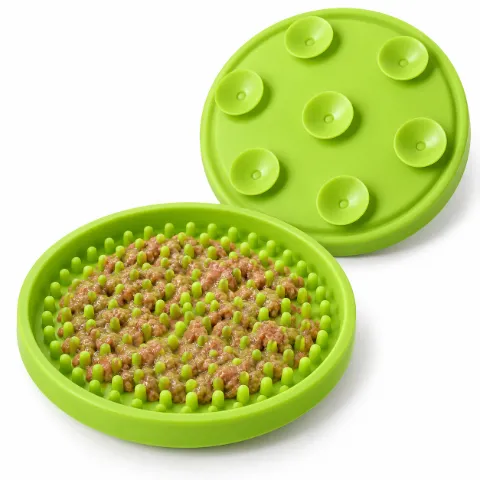
LickiMat UFO
Spread on plain yoghurt or a frozen filling; supervise and lift it once licked clean.
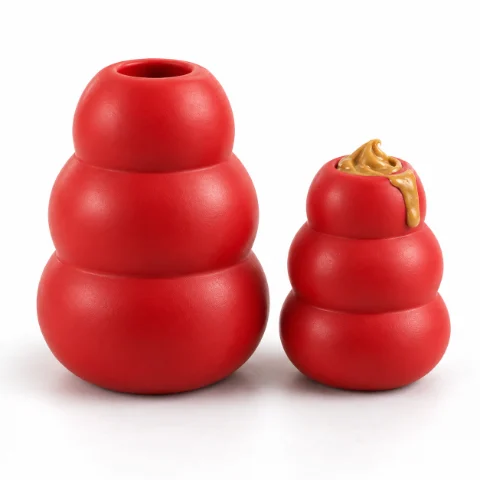
KONG Classic
A stuffable rubber toy to freeze for a longer treat; KONG advises supervision.
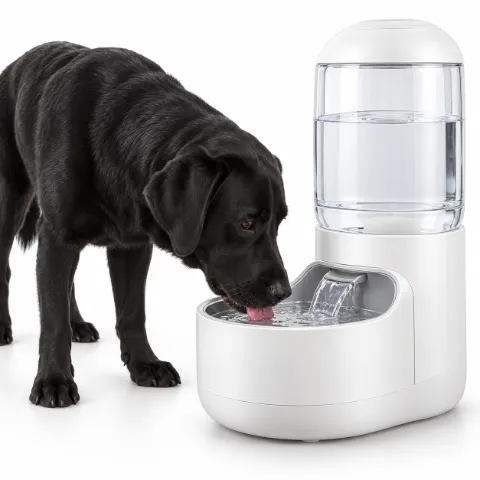
PETLIBRO Capsule Dog Water Fountain, 8 L
Shade and fresh water do more than a frozen treat; this keeps water on offer.
Silicone mini dog bone mould set
Three sheets in bone, heart and donut shapes, plus a dropper, for small bite-sized treats.
LickiMat UFO
A lick mat with suction cups and a drip catcher that you can spread with plain yoghurt and freeze.
KONG Classic
Stuff it with part of a meal and freeze it for a longer-lasting cool snack.
PETLIBRO Capsule Dog Water Fountain, 8 L
A big tank and wide tray that keep fresh water on offer, which does more for a hot dog than a frozen treat.
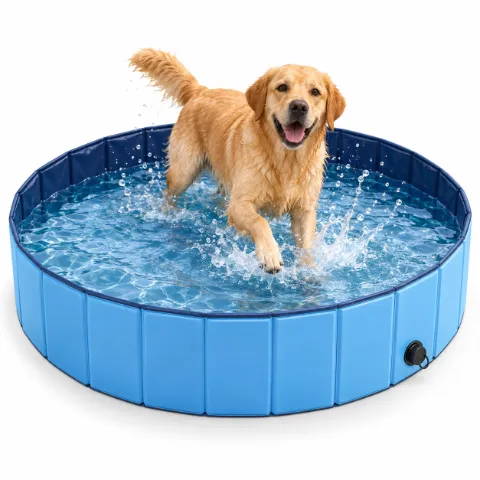
Jasonwell Foldable Dog Pool, Large 122 cm
A shallow pool for a splash on a hot day, always with you watching.
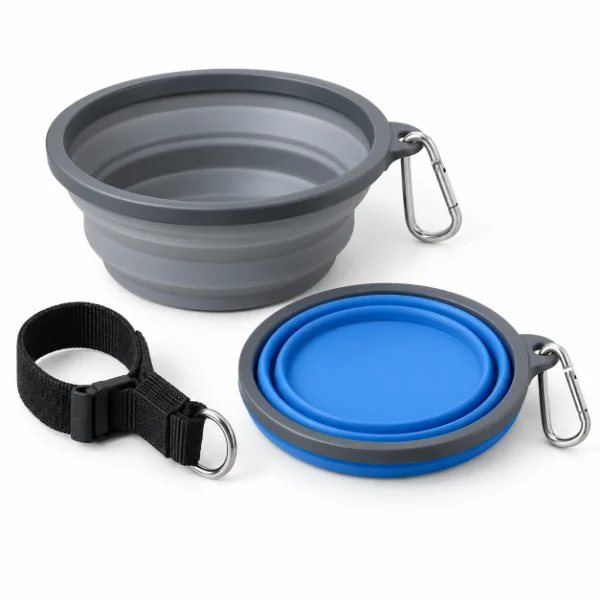
Aonkey collapsible bowls with bottle carrier, 2 pack
Fold-flat bowls so you can offer water on walks and outings, not just treats at home.
Pictures are illustrations, not the actual products.
More detail on the first two is in Moulds that make dog ice cream easier below, and the rest are the "You may also like" cards at the end of the row. Treats count toward your dog's daily food, so check with your vet if your dog has health problems.
What is dog ice cream?
Dog ice cream is a homemade or shop-bought frozen treat designed for dogs, usually fruit, vegetable or plain yoghurt blended and frozen. It's different from human ice cream, which is high in sugar and fat and can contain chocolate or xylitol, all things you don't want your dog eating.
The AKC advises against regular ice cream. It says many adult dogs can't digest dairy well, which can cause loose stools, vomiting and gas, and that sugar-free ice cream may contain xylitol (AKC, updated 5 December 2025). We cover that in more detail in can dogs eat ice cream?
How do you make ice cream for dogs?
Pick one or two dog-safe ingredients, mash or blend them until smooth, spoon the mix into a mould or ice cube tray and freeze until solid. Start with a small batch so you can see how your dog copes with a new food before making more.
A few tips before the recipes:
- Use plain, unsweetened ingredients with nothing added.
- Wash fruit, and cut any whole fruit small for little dogs.
- Freeze in small portions so you can hand out one at a time.
- Take a mould out of the freezer a minute before serving so it's easier to release.
Easy dog ice cream recipes
All four use ingredients dog owners already have in the kitchen. Amounts are a starting point, not a prescription, and results vary from dog to dog.
1. Banana "nice cream"
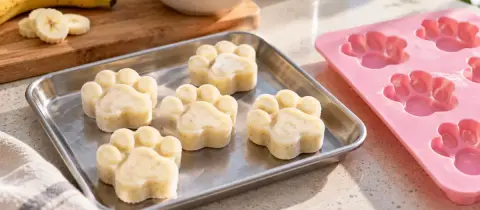
Peel two ripe bananas, slice, blend until creamy and freeze in moulds. The AKC suggests this as a frozen alternative to ice cream, and notes bananas contain sugar, so serve in moderation (AKC, updated 5 December 2025).
2. Frozen yoghurt drops
Spoon plain, unsweetened, fat-free yoghurt into moulds and freeze. The AKC says freezing plain, fat-free yoghurt may suit better than ice cream, because fermentation lowers the lactose, but some dogs still won't cope with it. Skip this one if your dog gets an upset tummy from dairy, and never use flavoured or commercial frozen yoghurt, which is high in sugar.
3. Blueberry and yoghurt pops
Mash a small handful of blueberries into plain, unsweetened yoghurt and freeze. The AKC says dogs can eat blueberries in moderation, fresh or frozen, and suggests two or three for small dogs (AKC, updated 20 October 2026). For a dairy-free version, use plain water instead of yoghurt.
4. Pumpkin swirl
Stir a spoonful of plain cooked pumpkin into water or plain yoghurt and freeze. PetMD says plain cooked pumpkin, or 100% canned pumpkin with nothing added, is safe for dogs, but pumpkin pie filling isn't, because it may contain sugar, nutmeg or xylitol (PetMD, medically checked by Jennifer Coates DVM, updated 9 July 2025).
Want more fruit ideas? Check can dogs eat watermelon? and can dogs eat mango? for what to peel, seed and avoid first.
What ice cream is safe for dogs?
The safest ice cream for dogs is one you make yourself from plain fruit, vegetables or plain unsweetened yoghurt. Avoid anything with added sugar, sweeteners, chocolate, coffee or nuts. If your dog is on a special diet or has health problems, ask your vet which treats suit them.
Prefer neat shapes you can batch? Our frozen dog treats guide compares silicone moulds and simple fillings, and covers ice cubes and teething puppies.
Can dogs have ice cream from the supermarket?
Regular supermarket ice cream isn't a good idea. It's mostly sugar, fat and dairy, and some flavours contain chocolate or xylitol. If your dog has a lick of a plain scoop, it usually isn't an emergency, but don't make it a habit.
If you do buy a frozen dessert marketed for dogs, read the ingredients list first. Look for any sweetener, chocolate, raisins or nuts, and leave it on the shelf if you can't tell what's in it. If your dog has already eaten something with xylitol or chocolate, see the vet box below.
Ingredients to avoid
Keep these out of every frozen treat. These are the main entries from the full list in our frozen KONG and lick mat recipes guide, which is based on advice from Dr Mara Hickey of the Sydney University Veterinary Teaching Hospital and also covers avocado, raw bread dough, nutmeg and mouldy food:
- Xylitol (also called birch sugar), found in sugar-free foods and some peanut butters
- Chocolate and cocoa
- Grapes, raisins and sultanas
- Onion and garlic, including in stock
- Macadamia nuts
- Alcohol
Also skip added sugar, honey and syrups, and anything labelled "sugar-free" until you've checked the label. Chocolate-flavoured ice cream is out too: the AKC points out that chocolate is toxic to dogs (AKC, updated 5 December 2025).
How much dog ice cream can I give?
Give a small portion, about one cavity from a treat mould for a medium dog, and not every day. Treats of all kinds should make up no more than about 10% of your dog's daily diet, according to PetMD (PetMD, updated 9 July 2025). A tablespoon-sized portion is plenty for a small dog.
Count it as part of the day's food, and start with even less the first time. Hot weather doesn't change the amount. For real cooling help, shade and fresh water do more, so see keeping your dog cool in summer.
Can puppies have dog ice cream?
Puppies can have small amounts of plain, dog-safe frozen treats, but their tummies are sensitive, so start tiny and watch closely. Dairy is a common cause of upset stomachs, so a dairy-free banana or pumpkin mix is the gentler start. Ask your vet if your puppy is very young or on a special diet.
For puppy chewing ideas that aren't food, see our puppy teething toys guide.
Moulds that make dog ice cream easier
Silicone moulds let you freeze neat portions and pop them out without a fight, and they double as a way to control portion size. We checked the listings on Amazon Australia on 1 November 2026. Both picks are baking-style moulds, not dog products as such, and we have used just what each listing says.
1. Silicone dog paw and bone moulds, 3-pack: best moulds overall
The listing says this pack has three moulds in pink, blue and purple, with six paw and bone cavities in total. The listing says each mould measures 17.6 x 15.6 x 1.5 cm, is made from food-safe silicone, and is freezer, oven, microwave and dishwasher safe. The listing also says the treats release with a gentle twist and light pressure.
- Pros: three moulds in one pack, so you can freeze a bigger batch; paw and bone shapes; the listing says it's freezer and dishwasher safe
- Cons: the listing is aimed at chocolate and baking, so the wording isn't dog-specific; the listing gives the volume in a mix of languages, so check the cavity size before filling; soft silicone can flop when full, so slide it onto a tray before you fill it
- Best for: owners who want to freeze a few days of small treats at once
- Skip it if: you'd like a single mould with a firm frame, or you make just one or two treats at a time
2. Selecto Bake dog paw print mould: best paw mould
The listing says this single mould has six paw-shaped cavities, each about 5.5 x 5 x 1.5 cm, in a pan about 18.5 x 14 x 1.6 cm. The listing says it's made from flexible silicone, is BPA free and is freezer, microwave, oven and dishwasher safe. Each cavity holds a small portion, which suits small dogs or a nibble-sized treat.
- Pros: six small paw cavities, which keeps portions modest; the listing says it's freezer and dishwasher safe; compact, so it fits in a small freezer
- Cons: the listing describes it as a baking mould for kids and sweets, not for dogs; small cavities mean a big dog will want several; one colour and one mould per pack
- Best for: small dogs, and anyone who wants tiny, controlled portions
- Skip it if: you have a large dog or want a bigger batch from one go
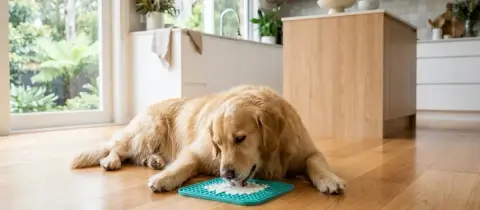
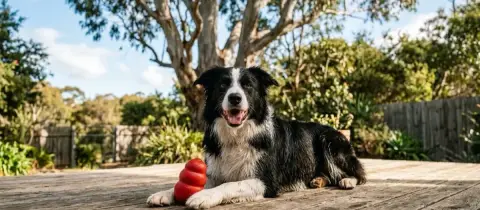
If you'd rather make a longer-lasting frozen treat, a stuffed toy or mat can do the job, and our best lick mats and best treat dispensing toys guides cover the options. These are tools for your routine, not a cure for boredom or anxiety, and most brands advise supervision.
Prefer a ready mix? Our dog cake mix guide includes a birthday-flavoured dog ice cream mix.
When to see a vet
Call your vet, an emergency vet or the Animal Poisons Helpline (1300 869 738, 24/7) straight away if your dog has eaten xylitol, chocolate, grapes, raisins, sultanas, onion, garlic, macadamia nuts or anything else from the toxic list, even if they seem fine.
See your vet if your dog:
- has vomiting or diarrhoea after dairy or a new frozen treat
- has pancreatitis, diabetes, allergies or a special diet, before you try anything new
- swallows a piece of a mould or toy
On very hot days, heatstroke is an emergency. Cool your dog with cool, not ice-cold, tap water and go to the vet even if they seem better. See our summer guide.
Frequently asked questions
Is dog ice cream better than regular ice cream?
Yes, when it's made from dog-safe ingredients. Regular ice cream is high in sugar and fat, and can contain chocolate or xylitol. Dog ice cream skips those, though it's still a treat that counts toward your dog's daily food, so keep servings small.
Can I use regular ice cream as the base?
No. Regular ice cream brings the dairy, sugar and fat you're trying to avoid, and some flavours contain chocolate or xylitol. Start from banana, pumpkin or plain unsweetened yoghurt instead. If your dog has already had a lick of the human kind, our can dogs eat ice cream guide explains what to watch for.
Is frozen yoghurt safe for dogs?
Plain, unsweetened, fat-free yoghurt frozen at home may be gentler than ice cream, because it has less lactose. Some dogs still don't cope with dairy, so start small. Avoid shop-bought frozen yoghurt, which is high in sugar and may contain sweeteners.
How long does homemade dog ice cream last in the freezer?
Our sources don't give a set time, so use common sense: keep treats in a sealed container, label the date and use them within a few weeks. Throw out anything freezer-burnt or that smells off, and ask your vet if you're unsure.
What is the 90/10 rule for dogs?
It's a simple way to keep treats in check: about 90% of your dog's daily food should be complete and balanced dog food, with treats of all kinds, dog ice cream included, making up no more than about 10%, according to PetMD. Work out your dog's share, then trim the main meal a little on treat days.
Can dogs eat ice cream with peanut butter?
Yes, in a small amount, if the peanut butter is xylitol free with no added salt or sugar. Always check the label for xylitol, which is sometimes listed as birch sugar and turns up in some "lite" or sugar-free spreads. Peanut butter is also high in fat, so a thin smear is enough.
Is dog ice cream good for hot weather?
It can be a fun way to offer a cool treat, but it doesn't replace shade, fresh water and cooler walking times. Never rely on a frozen treat to cool a dog showing heatstroke signs, which need a vet straight away.
Related guides
- Dog birthday ideas
- Can dogs eat bananas?
- Dog birthday cake recipe
- Best frozen dog treats
- Can dogs eat ice cream?
- Can dogs eat watermelon?
- Can dogs eat mango?
- Frozen KONG and lick mat recipes
- Best lick mats
- Best treat dispensing toys
- Keeping your dog cool in summer
- All our dog guides
Sources
- AKC, Can dogs eat ice cream? updated 5 December 2025 (https://www.akc.org/expert-advice/nutrition/can-dogs-eat-ice-cream/)
- AKC, Can dogs eat blueberries? updated 20 October 2026 (https://www.akc.org/expert-advice/nutrition/can-dogs-eat-blueberries/)
- PetMD, Can dogs eat pumpkin? medically checked by Jennifer Coates DVM, updated 9 July 2025 (https://www.petmd.com/dog/nutrition/can-dogs-eat-pumpkin)
- DOGS NSW, Toxic foods for dogs (Dr Mara Hickey, Sydney University Veterinary Teaching Hospital), as used in our frozen KONG guide (https://dogsnsw.org.au/media/2943/december-2016-toxic-foods.pdf)
This guide provides general information and isn't a substitute for veterinary advice. If you're concerned about your dog's diet or health, speak with your vet.