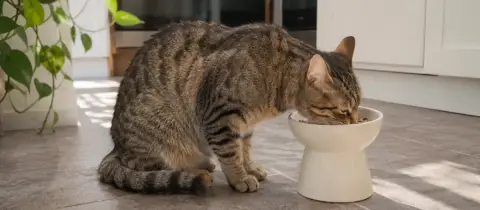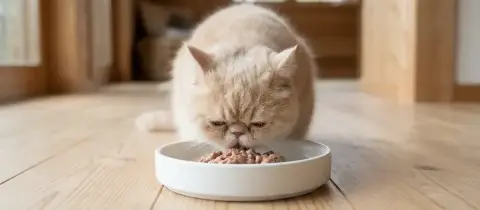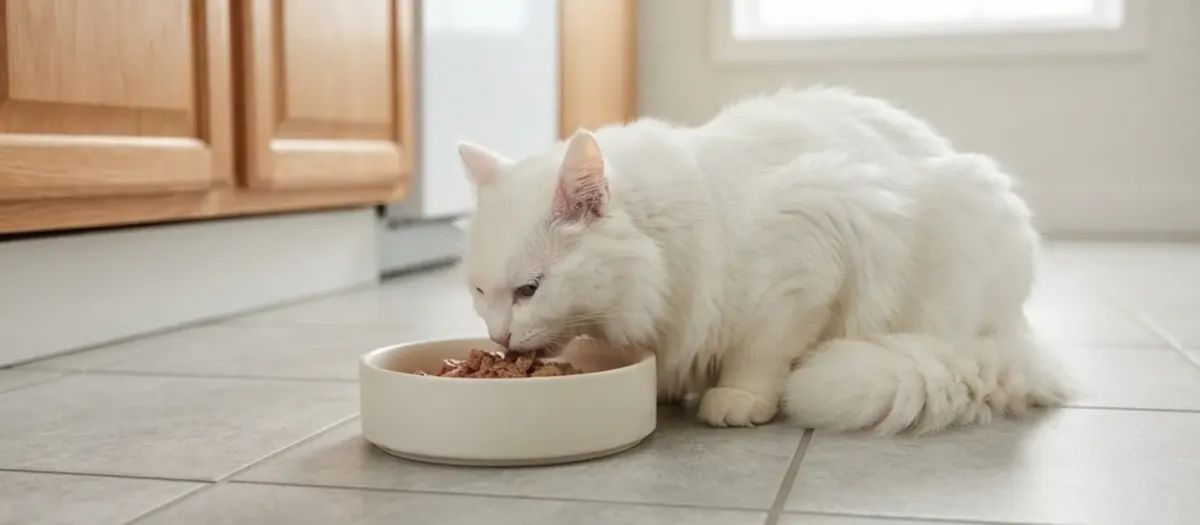
Quick answer: Whisker fatigue is the idea that deep, narrow bowls overstimulate a cat's whiskers. It isn't a recognised disease, and one small study found no change in how much cats ate from a whisker-friendly dish, though most owners said their cat preferred it. A wide, shallow bowl is low-risk to try, but a cat eating less needs a vet check first.
Plenty of cat owners see "whisker fatigue" on bowl packaging and wonder if it's a real problem. This guide covers what the idea means, what the research found, what else could be behind a fussy eater and which bowls are worth a try. Our raised cat bowl guide compares raised and tilted bowls in more detail.
Quick picks
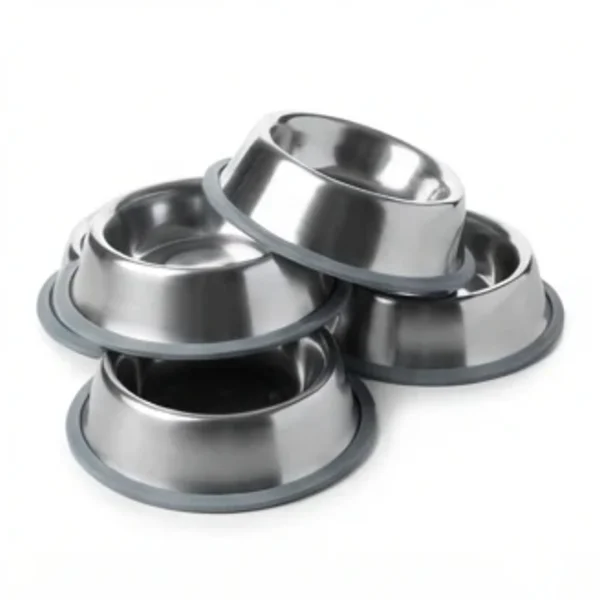
Petdream shallow stainless steel bowls, 4 pack
17.5 cm wide with silicone pads on the base, and dishwasher safe per the listing
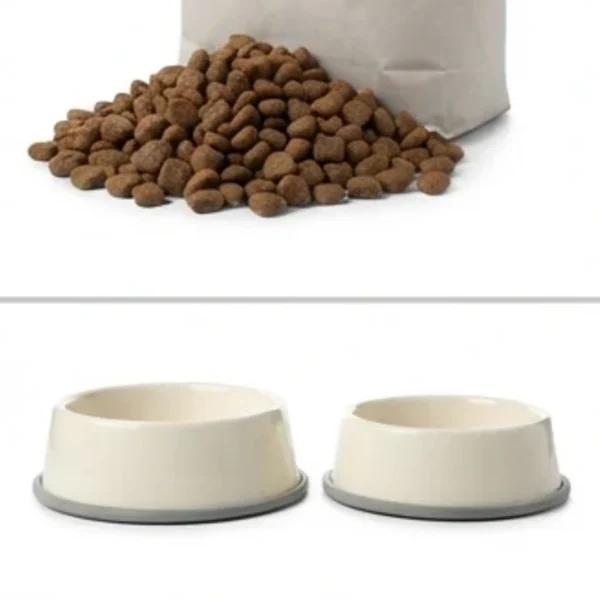
7 Ruby Road wide shallow cat bowls, set of 2
Flat dishes with a raised back wall that helps contain wet food
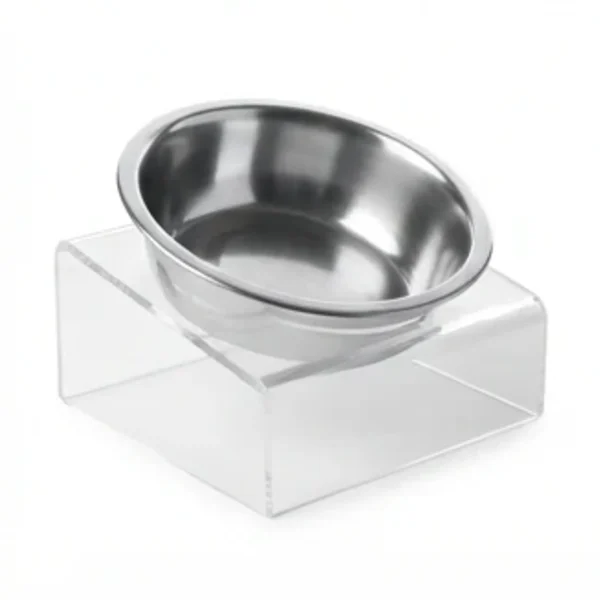
Felli Pet Oblik tilted stainless steel dish
Shallow steel dish on a tilted base, at 12.7 cm wide, so check it against your cat's face
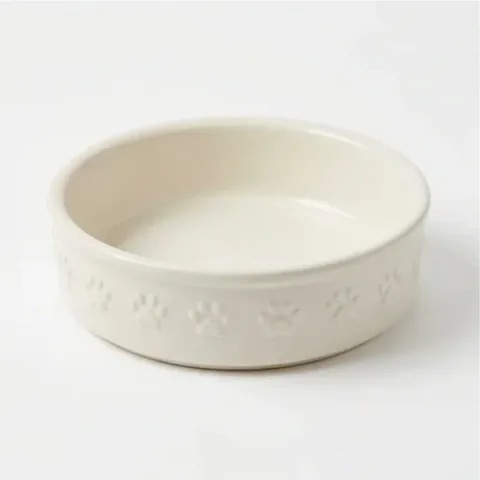
Mason Cash Cat Saucer
Wide, shallow stoneware saucer in a heavier dish
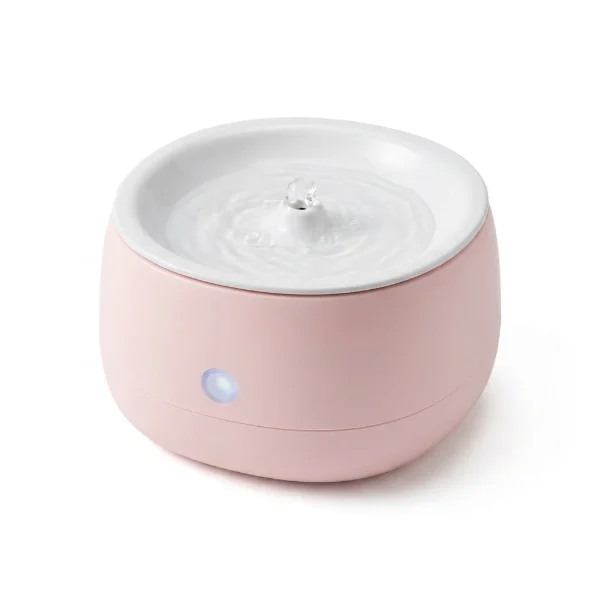
Catit Pixi fountain
For cats that like moving water, kept away from the food bowl
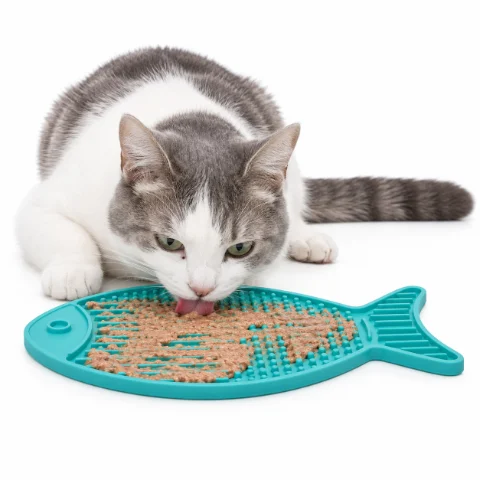
LickiMat Felix
Lick mat for wet food with a flat, open surface to eat from
Mason Cash Cat Saucer
A wide, shallow stoneware saucer, the same shape you'd get from a plain household saucer, in a heavier dish.
Catit Pixi fountain
A water fountain for cats that like moving water, kept in a quiet spot away from the food bowl.
LickiMat Felix
A lick mat for wet food that gives a flat, open surface to eat from.
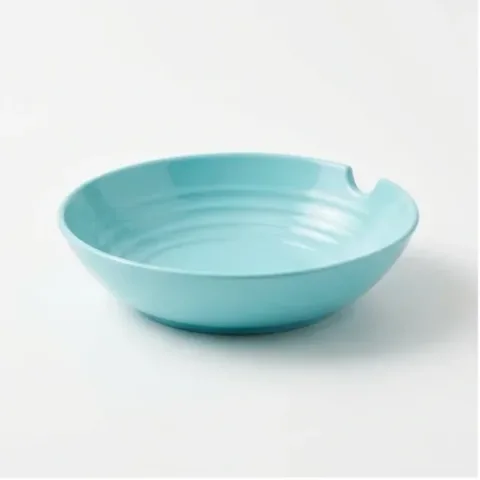
CatGuru Whisker Stress Free cat bowl
A wide, shallow bowl shaped for cats who seem fussy about their dish.
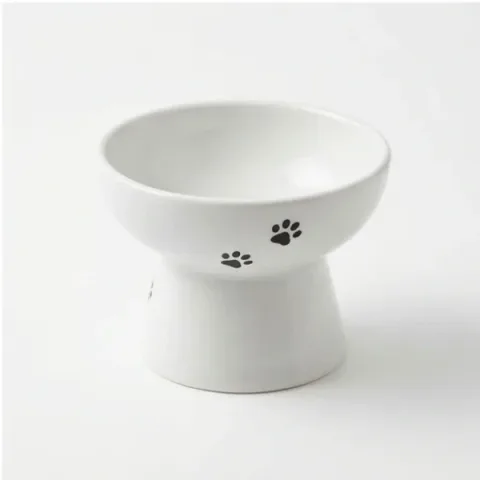
necoichi Happy Dining Cat Water Bowl
A raised water bowl on a stem, for cats that seem to prefer a bowl with plenty of room around the face.
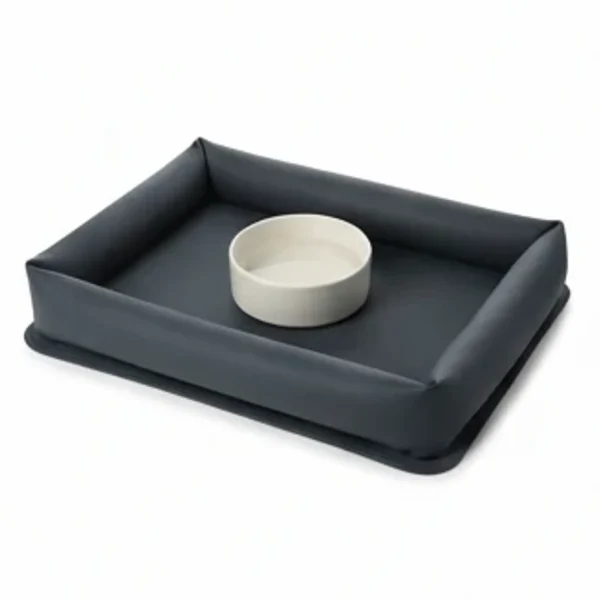
Reopet silicone feeding mat with raised edge
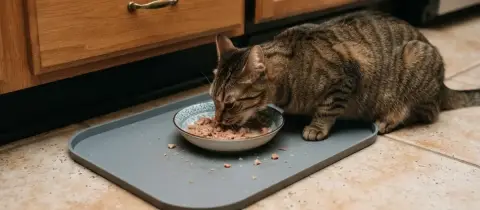
A mat under the bowls to stop them sliding and to catch spills.
Pictures are illustrations, not the actual products.
More detail on each is in Useful gear: wide, shallow bowls to try below. A bowl is a small comfort tweak, so see your vet if your cat's eating changes.
What is whisker fatigue in cats?
Whisker fatigue is a proposed idea, not a diagnosis. The theory says a cat's whiskers are so sensitive that brushing against the sides of a deep or narrow bowl, meal after meal, becomes uncomfortable, so the cat may avoid the bowl. You'll mostly see the term on bowl packaging and listings.
Whiskers are tactile hairs that help cats sense their surroundings, navigate, hunt and communicate. They sit deep in the skin and connect to the nervous system (Cat Fanciers' Association, 21 October 2025, page read 25 November 2026). That rich nerve supply is why the theory sounds sensible. Whether a bowl's rim is enough to bother a cat is the part nobody has proven.
Is whisker fatigue real?
Not as a proven condition. PetMD says it isn't a disease and that its existence is still debated among vets (PetMD, updated 23 February 2026). The only controlled study we found followed a small group of cats and saw no measurable change in eating behaviour, although most owners said their cat preferred the whisker-friendly dish.
That study is Slovak and Foster, published online in 2020 in the Journal of Feline Medicine and Surgery (issue dated 2021). Cats ate from a commercially marketed whisker-friendly dish and from their usual one. Time at the bowl, food eaten and food dropped did not differ much between the two. In the owner-reported preference test, most cats were judged to prefer the whisker-friendly dish.
The authors list limits that matter. Observation lasted only five minutes, so the study doesn't rule the idea out. It does show that a special bowl isn't a guaranteed change in eating.
What signs do people link to whisker fatigue?
The signs people most often link to it are pawing food out of the bowl to eat it off the floor, pacing at a full bowl, seeming hungry but walking away, and eating only from the middle of the dish. PetMD lists the first three. None of them point to whisker trouble on their own.
Look at patterns over several days rather than one odd meal:
| What you see | What it could mean |
|---|---|
| Paws food onto the floor first | Preference for a flat surface, a bowl that is too deep or narrow, or a cat that simply likes to scoop |
| Eats only the middle, leaves the edges | Food pushed to the sides of a deep bowl, or a sore mouth making some bites harder |
| Paces or meows at a full bowl | Hunger with something unpleasant about eating, nausea, stress, or a bowl in a spot the cat dislikes |
| Hungry but walks away | Mouth pain, nausea, illness or a bowl that smells of old food |
| Tense or aggressive at meals | Competition from another pet, or a noisy or busy feeding spot |
Because several of those rows can be medical, a bowl swap should never be the only step if the behaviour is new or getting worse.
What else could it be?
A cat avoiding its bowl may have a medical or environmental reason. PetMD says to rule out dental disease, oral tumours, kidney disease and gastrointestinal disease first. It also names liver disease, inflammatory bowel disease, nausea, bullying at the bowl and stress from changes at home.
You can check the simple things yourself before the vet visit:
- A dirty bowl. Old food film can put a cat off. Wash food bowls with soap and hot water after each use, as the US FDA advises for pet bowls.
- Bowl position. For water bowls, International Cat Care advises a quiet spot away from walls and busy doors, and says cats prefer not to drink right beside their food. A quiet spot is worth trying for the food bowl too.
- Another cat. If a housemate guards or hovers near the bowl, a shy cat may leave food. Feed in separate spots, out of sight of each other.
- Food change. A new food or flavour can look like bowl trouble.
If your cat's eating hasn't returned to normal after a bowl or position change, PetMD advises a vet visit. Mouth problems can be easy to miss, so see our guide on cleaning your cat's teeth.
Do whisker fatigue bowls work?
Maybe for some cats, but not reliably. In the study above, most owners said their cat preferred the whisker-friendly dish, yet eating time, amount and mess didn't change. A wide, shallow bowl costs little and is low-risk, so it's a fair thing to test, as long as you keep checking your cat's appetite and weight.
The brands behind these bowls often write that their design "prevents" or "eliminates" whisker fatigue. That is their claim, and no source we opened supports it. What the products do offer is simple: a wider dish where whiskers are less likely to touch the sides. If your cat seems happier with it, great. If nothing changes, stop worrying about the bowl and look at the other causes above. A bowl is a small comfort tweak, not a treatment.
What size and shape should a cat bowl be?
Wide and shallow is the shape to aim for. International Cat Care says most cats prefer a wide, shallow bowl, and that cats generally dislike whiskers brushing the sides of a dish (International Cat Care, updated 26 September 2025). There is no agreed measurement, so use these as starting points, taken from the listings of the bowls below.
| Bowl | Width | Height | Material | Capacity per the listing |
|---|---|---|---|---|
| Petdream 4 pack | 17.5 cm | 4.8 cm | Stainless steel | 369 g |
| 7 Ruby Road set of 2 | 17.8 x 14 cm | 4.4 cm | Bamboo and melamine blend | 170 g |
| Felli Oblik, tilted | 12.7 cm | 9.9 cm (includes the raised base) | Stainless steel dish, acrylic base | 0.5 cup |
Choose a dish wider than your cat's face so the whiskers sit clear of the rim, and shallow enough that your cat doesn't push its whole head inside. Hold a ruler across the width of your cat's face, whiskers fanned, as a rough check. For wet food, a flat plate or a dish with a low lip works well. Cats generally prefer glass and ceramic to plastic, per International Cat Care. If your cat gulps, our slow feeder cat bowl guide covers shallow maze designs, and our cat bowl guide compares more shapes.
Can whisker fatigue affect a water bowl or fountain?
If the theory is right, yes, because a narrow water bowl makes a cat lower its head and whiskers in. International Cat Care says most cats prefer a wide, shallow bowl so they don't have to put their head inside to drink, and prefer water kept away from food.
So give water the same treatment as food: a wide, shallow dish, placed in a quiet spot apart from the food. The 7 Ruby Road bowls below are not suitable as water bowls, per the listing, so pick a different dish for water. Our cat water bowl guide and cat water fountain guide cover wide, stable options. If your cat suddenly drinks much more or less than usual, that's a vet question, not a bowl problem.
Should I trim my cat's whiskers?
No, never. Whiskers are sensory tools. VCA Animal Hospitals says to avoid cutting them because it may reduce a cat's spatial awareness and cause confusion, and that plucking them is painful (VCA Animal Hospitals, updated 30 January 2026, page read 25 November 2026). PetMD quotes a vet who does not recommend trimming. If the bowl seems to be the issue, try a wider dish.
Useful gear: wide, shallow bowls to try
These are options if you'd like to test a wide dish. The brands call them whisker-friendly, which is their claim. All three are Amazon Australia picks, and pet shops and vet clinics also sell wide cat dishes you can look at in person. For a plain test, any clean, wide saucer works too.
- Petdream shallow stainless steel bowls, 4 pack: the widest and simplest of the three at 17.5 cm, with silicone pads on the base. The listing says they're dishwasher safe, and four bowls let you rotate through the dishwasher or keep a second spot. See our cat bowl guide for more.
- 7 Ruby Road wide shallow cat bowls, set of 2: flat dishes with a raised back wall that helps contain wet food. The listing says not to microwave them, not to use them as water bowls, and to stop using any that crack or chip.
- Felli Pet Oblik tilted stainless steel dish: a shallow steel dish on a tilted raised base, for cats that seem more comfortable eating with the head up. At 12.7 cm wide it's narrower than the other two, so check it against your cat's face. See our raised cat bowl guide for more tilted options.
A mat under the bowl keeps it from sliding and protects the floor, and our cat food mat guide compares sizes.
When to see a vet
See your vet if your cat:
- eats much less than usual or stops eating (don't wait with kittens, older cats or overweight cats)
- loses weight
- drops food, drools, chews on one side or paws at the mouth
- vomits more than now and then (see our cat vomiting guide)
- seems hungry but walks away from food
- has any sudden change in eating or drinking
A new bowl is not a treatment, and a vet should check for medical causes first. PetMD says to rule out dental disease, kidney disease and other illness before blaming the bowl (PetMD, updated 23 February 2026).
Frequently asked questions
Which cats might benefit most from a wide bowl?
Any cat that seems to avoid its dish could try one. Flat-faced breeds such as Persians and Exotic Shorthairs are often mentioned, but that comes from product listings, not studies. The honest answer is that it varies from cat to cat, so watch whether yours settles at meals.
Can I use a plate or saucer instead of buying a bowl?
Yes. A clean, flat saucer or small plate gives the same wide, shallow shape for no extra spend. Choose ceramic or glass if you can, since International Cat Care says cats generally prefer them to plastic. Wash it after each meal, and swap any chipped or cracked dish for a new one.
Should each cat in a multi-cat home have its own bowl?
Ideally yes. International Cat Care suggests one drinking bowl per cat plus one extra, and PetMD lists bullying at the bowl as a cause of poor eating. Place bowls in separate spots out of sight of each other so a shy cat can eat in peace.
Will a wide bowl stop my cat vomiting or gulping food?
Probably not. No source we opened says bowl shape stops vomiting, and cats vomit for many reasons. If your cat eats fast, a slower feeder may help, but frequent vomiting needs a vet. Our slow feeder cat bowl guide explains the options.
Is stainless steel, ceramic or plastic best for a cat bowl?
International Cat Care says cats generally prefer glass and ceramic to plastic. Stainless steel and ceramic are easy to wash and don't scratch as readily, which matters because scratches can hold residue. Whatever you pick, choose a material you will wash every day.
How do I introduce a new bowl?
Put the new bowl next to the old one for a few meals and see which your cat uses. Keep the same food and the same spot so only the dish changes. If your cat ignores the new bowl for several days, go back to the old one and look at other causes.
How often should I wash my cat's bowl?
After each use for food bowls, with soap and hot water. That is the US FDA's advice for pet food bowls (US FDA, updated 23 May 2024, page read 25 November 2026). Wash water bowls daily, replace chipped or scratched bowls, and keep essential oils away from your cat's food area. Our cat food mat guide has the full routine.
Related guides
- Raised cat bowls: wide, shallow picks and whisker fatigue
- Best cat bowls
- Slow feeder cat bowls
- Best cat water bowls
- Best cat water fountains
- Cat food mats
- Cat vomiting: causes and when to see a vet
- How to clean your cat's teeth
- Cat hammocks
- Cat sofas
- Cat kicker toys
Sources
- PetMD, Whisker Fatigue in Cats: What It Is and How To Help, by Sarah Wooten, DVM, with Hannah Hart, DVM, as second vet, updated 23 February 2026, page read 25 November 2026 (https://petmd.com/general-health/whisker-fatigue-cats-what-it-and-how-help)
- Slovak JE and Foster TE, Evaluation of whisker stress in cats, Journal of Feline Medicine and Surgery, published online 2020, 2021 issue, page read 25 November 2026 (https://pmc.ncbi.nlm.nih.gov/articles/PMC10812207/)
- International Cat Care, How to encourage your cat to drink, updated 26 September 2025, page read 25 November 2026 (https://icatcare.org/articles/how-to-encourage-your-cat-to-drink)
- US FDA, Tips for Safe Handling of Pet Food and Treats, updated 23 May 2024, page read 25 November 2026 (https://www.fda.gov/animal-veterinary/animal-health-literacy/tips-safe-handling-pet-food-and-treats)
- VCA Animal Hospitals, Why Do Cats Have Whiskers?, updated 30 January 2026, page read 25 November 2026 (https://vcahospitals.com/know-your-pet/why-do-cats-have-whiskers)
- Cat Fanciers' Association, The Fascinating World of Cat Whiskers, 21 October 2025, page read 25 November 2026 (https://cfa.org/cat-talk/the-fascinating-world-of-cat-whiskers/)
- Product details from each linked Amazon Australia listing, checked on 25 Nov 2026.
This guide provides general information and isn't a substitute for veterinary advice. If you're concerned about your cat's eating, weight or behaviour at the bowl, speak with your vet.