Research guide. WhiskerFinds may earn a commission from links, at no extra cost to you.
Quick answer: The best frisbee for dogs is a soft, dog-made flyer, not a hard human disc. Our top pick is the Chuckit Paraflight, a light nylon disc with soft rubber edges. Pick a tougher Hyperflite Jawz for dogs that grab hard, and keep puppies to low, gentle throws.
A good dog frisbee is easy on the teeth, easy to see and light enough to catch in the air. This guide compares four flyers on Amazon Australia, then covers sizing, teaching a catch and keeping play safe in warm weather. If your dog loves water, our dog pools guide and water toys for dogs pair well with a disc that floats.
Quick picks
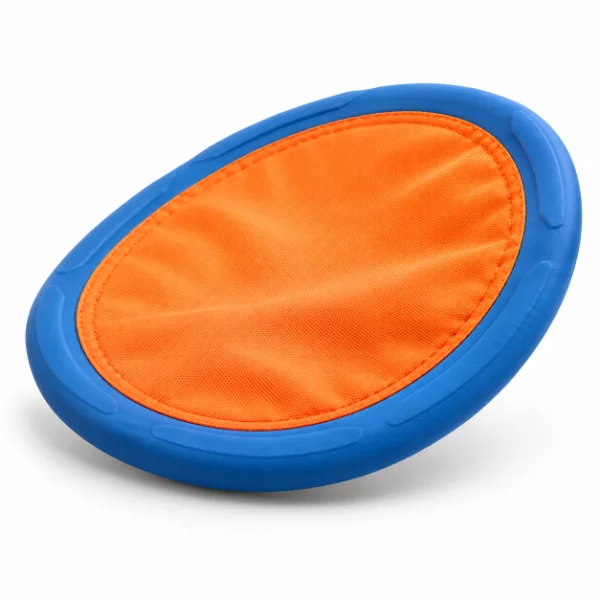
Chuckit Paraflight flyer
Light nylon disc with soft rubber edges; the listing says it glows and floats
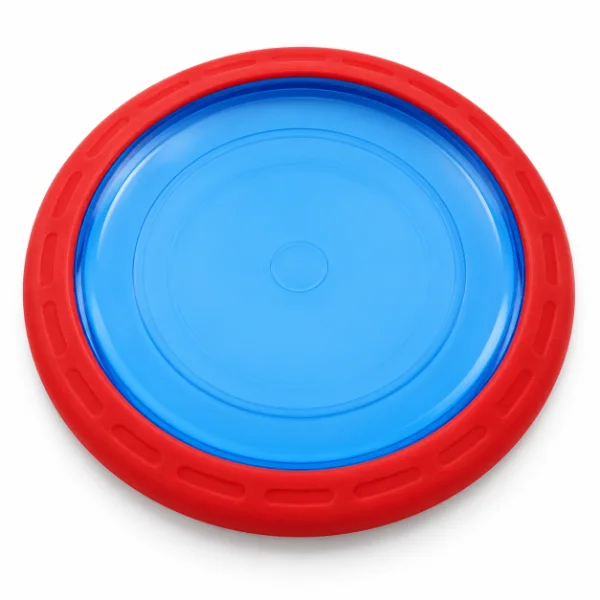
Chuckit Zip Flight
Soft, rubber-reinforced edges and a lightweight build; the listing says it floats
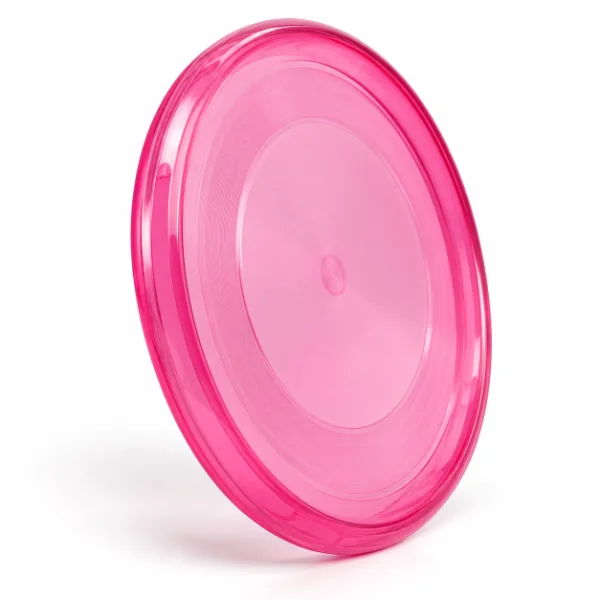
Hyperflite Jawz competition disc
Rubber competition disc the listing calls puncture resistant; it doesn't float
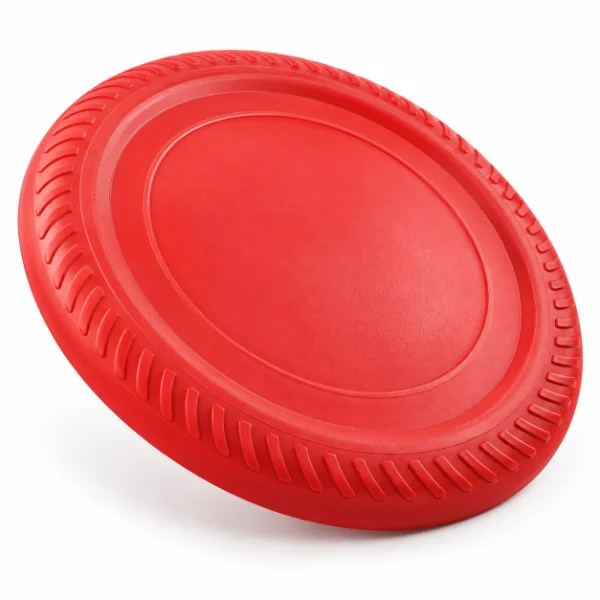
Nerf Dog Atomic Flyer
Synthetic rubber, bright red, 10 inches across for medium and large dogs
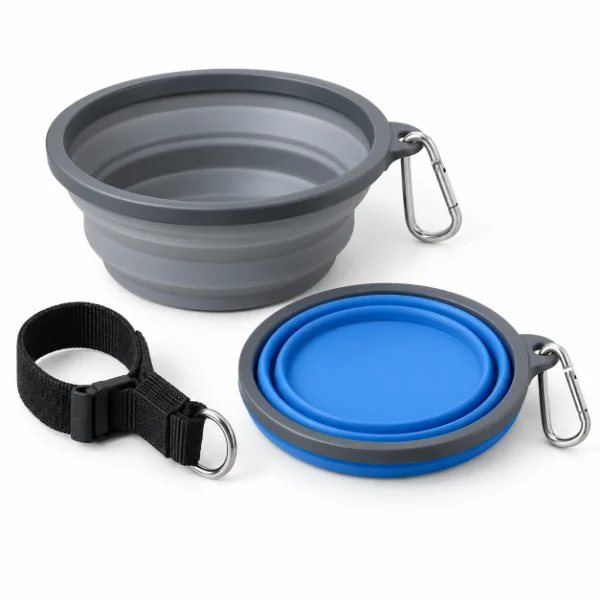
Collapsible dog travel bowls
Fold-flat bowls to carry water to the park or beach.
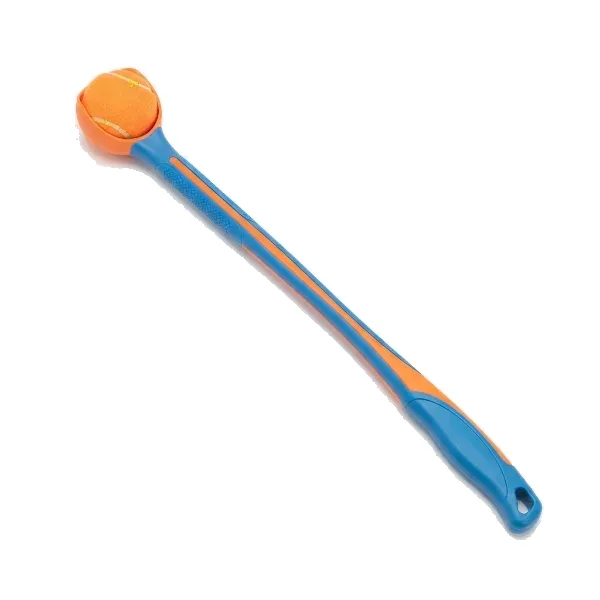
Chuckit Sport Launcher
A ball launcher for fetch days when you want a change from the disc.
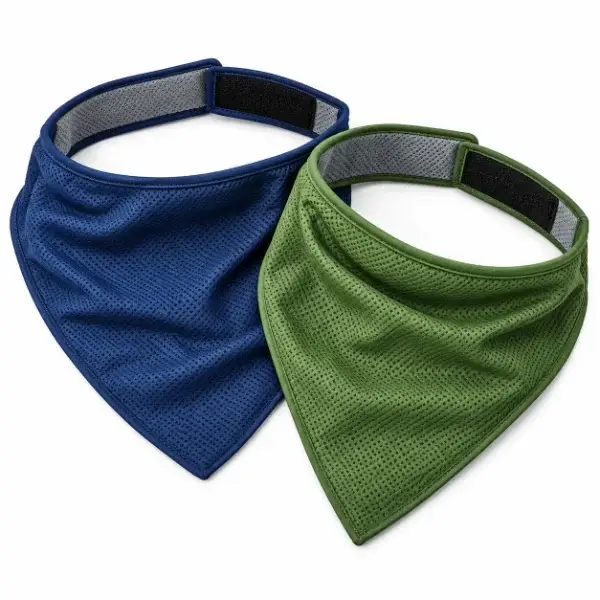
Dog cooling bandana
A bandana for short periods in the heat, alongside shade and water.
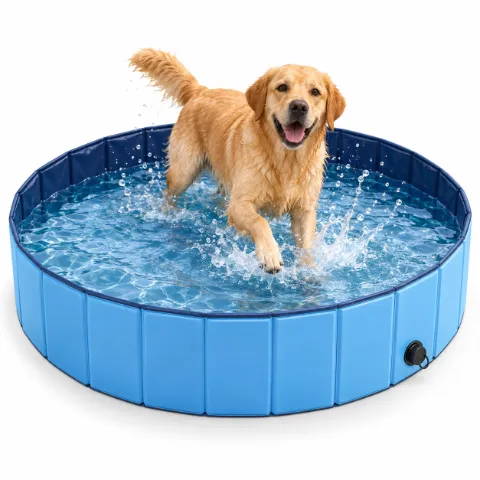
Jasonwell foldable dog pool
A place to cool off between throws on a warm day, with you supervising.
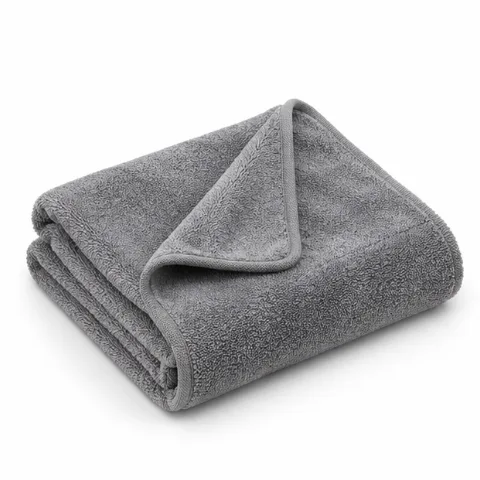
Lucky Paws dog towel
A big towel for drying off after a swim, mud or a wet game of fetch.
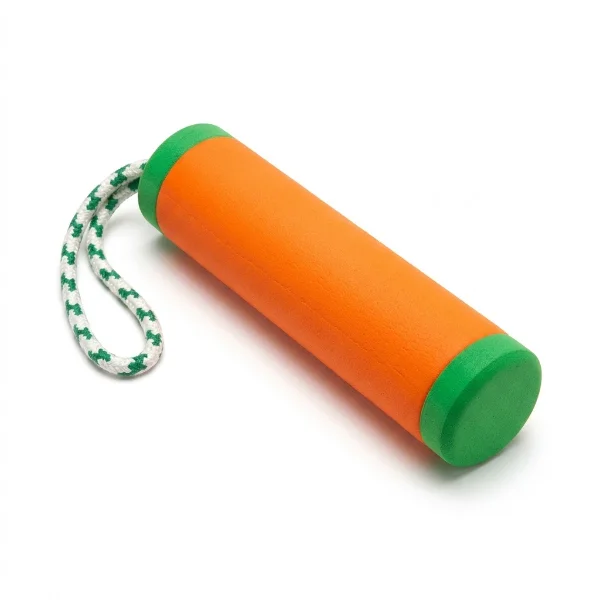
Chuckit Amphibious Bumper
A fetch toy for dogs who like to retrieve from the water as well as the grass.
Pictures are illustrations, not the actual products.
Not sure which feel suits your dog? The soft versus hard section below explains the difference.
What is the best frisbee for dogs?
The best dog frisbee is a soft, flexible disc made for dogs, sized to your dog's mouth. For most dogs that means the Chuckit Paraflight. A tougher rubber disc such as the Hyperflite Jawz suits dogs who bite down hard, and a water-friendly flyer suits dogs who fetch at the pool or beach.
Most advice agrees on the basics: soft rubber, fabric or flexible nylon, rather than hard plastic. The practical bit that often gets skipped is matching the disc to your dog's grip, age and size. Check the diameter on the listing, because a disc that is too big is hard for a small dog to lift off the ground.
Soft or hard frisbee?
Choose soft or flexible for most dogs. A soft disc bends in the mouth, is gentler on teeth and gums and is easier to pick up off flat grass. A harder disc flies further and copes better with a hard grip, but it is a bit less forgiving, so it suits a confident, experienced catcher.
Here is how our four picks sit on that scale, using each listing:
- Softest: the Chuckit Zip Flight, which the listing describes as a soft frisbee with smooth, rubber-reinforced edges gentle on teeth and gums.
- Soft with a stiff middle: the Chuckit Paraflight, with a nylon interior and soft rubber edges.
- Flexible rubber: the Nerf Dog Atomic Flyer, made of synthetic rubber.
- Firmest: the Hyperflite Jawz, a rubber competition disc with a patented grip and puncture-resistant build.
Hard plastic human discs, such as ultimate or disc golf discs, are the ones to avoid. They aren't made for dog mouths, and we haven't recommended any here.
Our picks in detail
1. Chuckit Paraflight flyer: best overall
The Paraflight is a light, long-flying disc with a nylon interior and soft rubber edges. The listing says the large size is 9.75 x 9.75 inches, suits medium to large breeds and is gentle on gums and teeth. It also says the disc charges in sunlight or under a torch and glows for play at dusk, and that it floats.
The listing is clear that no toy is indestructible, and that this isn't a chew toy or for aggressive chewers. That fits how we'd use it: throw it, catch it, then put it away.
- Pros: soft rubber edges; light for long throws; the listing says it floats and glows
- Cons: the listing says it isn't for aggressive chewers; the large size may be big for small dogs
- Best for: medium and large dogs who catch and return gently
- Skip it if: your dog chews or bites discs, or you have a small dog
2. Chuckit Zip Flight: best for water and land
The Zip Flight is a soft, lightweight frisbee. The listing says it has smooth, rubber-reinforced edges gentle on a dog's teeth and gums, and lists rubber, EVA foam and polyester as materials. Its features include floating and lightweight, and it's listed for all breed sizes in this medium 20 cm version.
The listing is a bit mixed on size. The title says 20 cm but the item dimensions say 8.5 cm across, so check the size on the page before buying for a small dog.
- Pros: soft, forgiving edges; the listing says it floats; light enough to throw easily
- Cons: conflicting size figures on the listing; not made for chewing
- Best for: dogs who play on grass and at the pool or beach
- Skip it if: your dog shreds soft toys
3. Hyperflite Jawz competition disc: best tough disc
Jawz is a rubber disc built for competition catching. The listing calls it puncture resistant, with a patented grip, and says it stands up to canine teeth better than other competition discs. It's firmer than the soft flyers above, so it suits a dog who already catches well.
The listing is just as clear that it should never be used as a chew toy and that it doesn't float. The title says 8.75 inches while the dimensions say about 24.8 cm, so the exact size is unclear.
- Pros: puncture resistant per the listing; firm, long-flying shape; made for medium and large dogs
- Cons: doesn't float; firmer in the mouth; not a chew toy; conflicting size figures
- Best for: confident catchers who grab hard
- Skip it if: your dog is a puppy, a beginner, or loves the water
4. Nerf Dog Atomic Flyer: best rubber flyer
A bright red, 10 inch synthetic rubber flyer for medium and large breeds. The listing says it's lightweight, water and weather resistant and that it floats, and the listing says the bright red is easy for you and your dog to track. Red mainly helps you, since dogs see red poorly (see the colour question in the FAQ).
The limitation is in the fine print. The listing says supervise play and remove the toy if any part is damaged, so it isn't a disc for a dog who chews. The listing also uses "waterproof" and "water resistant" in different places, so treat it as water resistant.
- Pros: bright colour; light; the listing says it floats
- Cons: the listing asks for supervision and says to remove it if damaged; mixed wording on water resistance
- Best for: medium and large dogs who play fetch, with you watching
- Skip it if: your dog chews discs
Are frisbees bad for dogs' joints?
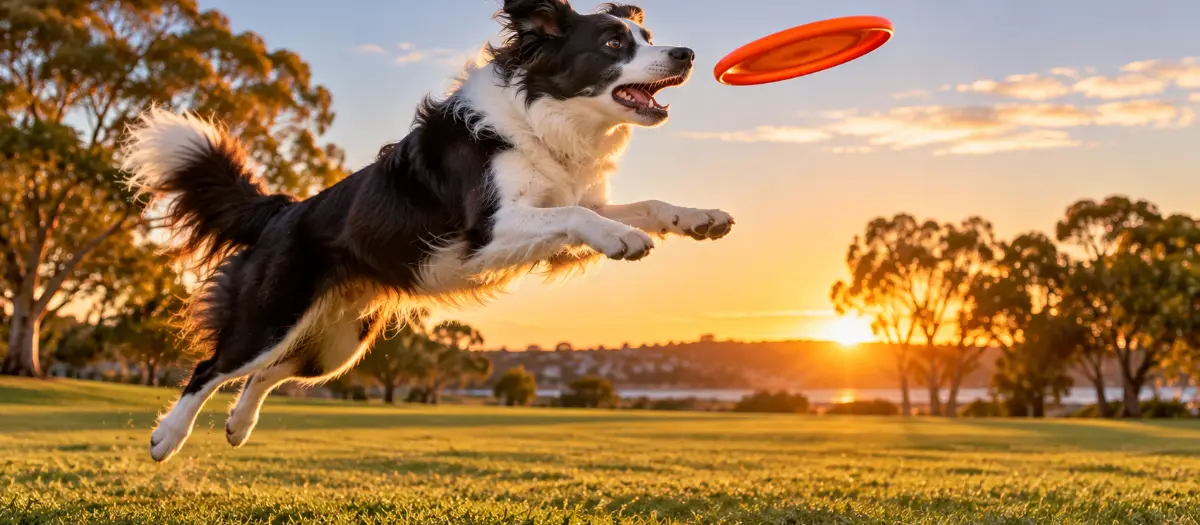
Catching a disc involves leaping, twisting and landing, which can strain joints, especially in puppies and in dogs with existing joint problems. Keep throws low, play in short bursts and stop if your dog limps. Ask your vet first if your dog is young, older or has had joint trouble.
VCA Animal Hospitals says a puppy's growth plates are soft cartilage that strenuous exercise could injure, and it advises holding off on hurdle jumping and competitive agility until a puppy reaches maturity (VCA Animal Hospitals, page read 1 November 2026). It also says puppies can still play and run freely, and that limping or a change in how a puppy moves is a reason to call a vet.
Should puppies play frisbee?
Puppies can chase a rolled or low-tossed disc on the ground, but repeated high leaps are best left until they are fully grown. VCA says small dogs may be ready a little after 6 months and giant breeds may need to wait closer to 18 months. Your vet can tell you when your puppy is ready.
Until then, roll the disc along the grass and let your puppy chase and carry it. That teaches the game without the jumping. For a puppy still working through a chewing phase, our puppy teething toys guide has better things to gnaw on, because none of these discs is a chew toy.
How do I teach my dog to catch a frisbee?
Start by making the disc fun on the ground, then throw it low and short, then add height as your dog gets the hang of it. Use a soft disc, praise or reward each catch and end while your dog is still keen. A dog who loves a ball often picks it up quickly.
- Make it a game. Roll the disc along the grass and let your dog chase it. Praise when they pick it up.
- Reward the bring back. Trade the disc for a small treat or a quick game of tug, then roll it again.
- Throw low and slow. Skim it just above the ground so your dog catches it near the grass, not in a big leap.
- Build height gradually. Once catches are reliable, throw a little higher. Keep jumps modest, especially for puppies and larger dogs.
- Keep it short. A few throws, then rest. Stop if your dog seems tired, hot or sore.
If your dog doesn't give the disc back, don't chase them. Walk away, or bring out a second disc so there is always one to swap. Treats count toward the day's food, so keep them small (see our dog training treats guide).
Frisbees for dogs compared
Details from each Amazon Australia listing, checked on 1 Nov 2026.
| Product | Material | Size | Floats? | Best for |
|---|---|---|---|---|
| Chuckit Paraflight (large) | Nylon with rubber edges | 9.75 inches | Yes, per listing | Medium to large dogs, all-round play |
| Chuckit Zip Flight (medium) | Rubber, EVA foam, polyester | 20 cm | Yes, per listing | Water and land, gentle on gums |
| Hyperflite Jawz | Rubber | 8.75 inches | No, per listing | Medium and large catchers who grab hard |
| Nerf Dog Atomic Flyer | Synthetic rubber | 10 inches | Yes, per listing | Medium and large dogs, easy to spot |
How we chose
We searched Amazon Australia for dog frisbees and flying discs, then shortlisted discs that met all of these checks:
- Well rated: a strong average rating with plenty of buyer reviews.
- No red flags: no pattern of poor reviews, safety complaints or listing problems.
- Available on Amazon Australia when we checked.
- Dog-safe material: soft or flexible rubber, nylon or fabric, not hard plastic.
- A stated diameter so you can match it to your dog.
- Clear on floating or not, so you know if it suits water play.
- Soft versus hard feel, so you can match it to your dog's grip.
These are researched picks, not products we've personally tested. We compared the specifications and features shown on each Amazon Australia listing, checked on 1 Nov 2026. We didn't accept payment from any brand, and no brand saw this page before it was published.
Left out this time: hard plastic human frisbees, which aren't made for dog mouths, and the KONG Flyer, which we haven't checked on Amazon Australia yet.
Choosing the right size and set-up
Match the diameter to your dog's mouth. Three of the four listings suit medium to large breeds, and the discs run from the 20 cm Zip Flight to the 10 inch Nerf flyer. For a small dog, a disc that lies flat is hard to pick up, so look for a smaller diameter than the ones here before buying.
For set-up, play on soft, flat grass, not concrete, gravel or hard ground. Check the field for holes and rocks first. Keep the throws low and in line with your dog, rather than over their head, so they don't have to twist in the air. Rotate two discs so one is always ready for the swap.
Playing safely in summer
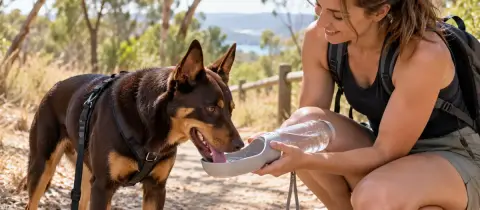
Play in the cooler parts of the day, and not on hot afternoons. Test the ground with the back of your hand for 5 seconds, and if it's too hot for you, it's too hot for paws. Bring fresh water and shade, and take breaks. Flat-faced breeds are at higher risk in the heat. See our guide to keeping your dog cool in summer.
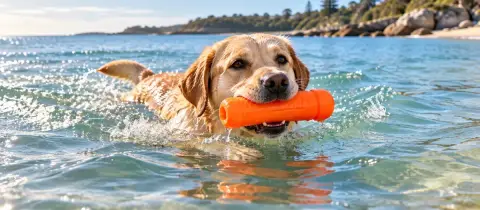
For water play, supervise your dog at all times and rinse them after salt water or chlorine. A floating disc is handy at the pool or beach, and a splash pad is a gentler way to cool off between throws. A cooling bandana can help for short periods, but it doesn't replace shade and water.
Caring for your dog's disc
Rinse the disc after sand, salt or mud, and let it dry. Check it before each session, because any cracks, chewed edges or sharp bits mean it should go in the bin. None of these discs is a chew toy, so pick it up once play ends. Store it out of direct sun, which can fade and weaken some materials.
When to see a vet
Stop play and call your vet if your dog limps, holds a leg up, yelps when landing or is stiff the next day. Teeth that look chipped, bleeding gums or a swallowed piece of disc also need a vet. VCA Animal Hospitals says limping or a change in how a puppy walks, sits or moves is a reason to call a vet (VCA Animal Hospitals, page read 1 November 2026).
If your dog is panting heavily, drooling or wobbly in the heat, cool them with cool, not ice-cold, tap water and go to the vet even if they seem better.
Frequently asked questions
Which colour frisbee can my dog see best?
Dogs see blue and yellow best. VCA Animal Hospitals says dogs have two types of colour cones and can tell blue and yellow apart, while red looks dark brownish-grey or black to them (VCA Animal Hospitals, page read 1 November 2026). A blue disc is likely the easiest for your dog to track against grass, while bright red mainly helps you find it.
Are frisbees safe for dogs?
Soft dog-made frisbees are a reasonable choice for fit adult dogs, played gently on soft ground. Avoid hard plastic human discs, and keep jumps low. Stop if your dog limps, and check with your vet first if your dog is a puppy, older or has joint problems.
What is the 7 second rule for dogs?
It's the footpath hand test. Hold the back of your hand on the ground, and if you can't keep it there comfortably, it's too hot for your dog's paws. Some versions say 7 seconds. RSPCA Australia suggests five, and that's the figure we use across this site (RSPCA Australia, page read 1 November 2026). Test before any frisbee session on paths, sand or dry ground.
At what age can a puppy play frisbee?
It varies with the breed. VCA says small dogs may be ready a little after 6 months and giant breeds may need to wait closer to 18 months for strenuous activity. Until your vet agrees, roll the disc on the ground rather than throwing it high.
Are soft or hard frisbees better for dogs?
Soft or flexible discs suit most dogs because they bend in the mouth and are gentler on teeth. Harder rubber discs, like the Hyperflite Jawz, fly further and resist teeth better but suit experienced catchers. Hard plastic human discs aren't made for dogs.
Can my dog chew a frisbee?
No. The listings for the Paraflight and Jawz both say they aren't chew toys, and the Nerf listing recommends supervision. A frisbee is for throwing and catching. If your dog chews it, put it away and see our toys for heavy chewers guide.
Do dog frisbees float?
Some do. The listings say the Chuckit Paraflight, Chuckit Zip Flight and Nerf Atomic Flyer float, while the Hyperflite Jawz description says it doesn't, so keep the Jawz for dry land. Even with a floating disc, supervise your dog around water at all times and rinse the disc after salt water or chlorine.
What size frisbee should I get?
Match the diameter to your dog's mouth. The discs here run about 8.75 to 10 inches across and the listings suit medium to large dogs, with the Zip Flight listed as a medium 20 cm. For small dogs, check the size on the listing first.
Related guides
- Best dog agility equipment
- Best dog pools
- Best dog splash pads
- Best water toys for dogs
- Best dog cooling bandanas
- Best dog ball launcher
- How to keep your dog cool in summer
- Best toys for heavy chewers
Sources
- VCA Animal Hospitals: Puppy exercise, read 1 November 2026
- VCA Animal Hospitals: Do dogs see colour?, read 1 November 2026
- RSPCA Australia: 4 ways to keep your dog cool this summer, read 1 November 2026
- Product details from each linked Amazon Australia listing, checked on 1 Nov 2026.
This guide provides general information and isn't a substitute for veterinary advice. If you're concerned about your dog's joints or teeth, speak with your vet.