Research guide. WhiskerFinds may earn a commission from links, at no extra cost to you.
Quick answer: The best water toys for dogs float, are bright enough to spot on the water and are easy to grip. Our top pick is the Chuckit Amphibious Bumper, a light foam fetch toy. The Rogz lighthouse suits pools, and the Fling rope ball suits tug and fetch. Always supervise dogs in the water.
Most dogs love chasing something that bobs along the surface, but not every toy floats, and some are hard to see once they land. This guide compares three floating toys on Amazon Australia, then covers beach and pool safety. If you're planning a pool day, start with our dog pools guide and the dog splash pad guide.
Quick picks
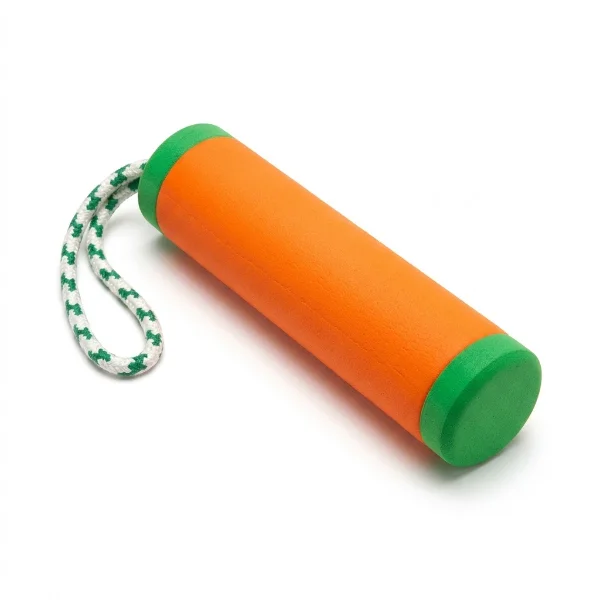
Chuckit Amphibious Bumper
Lightweight memory foam bumper that the listing says floats, in bright orange and green
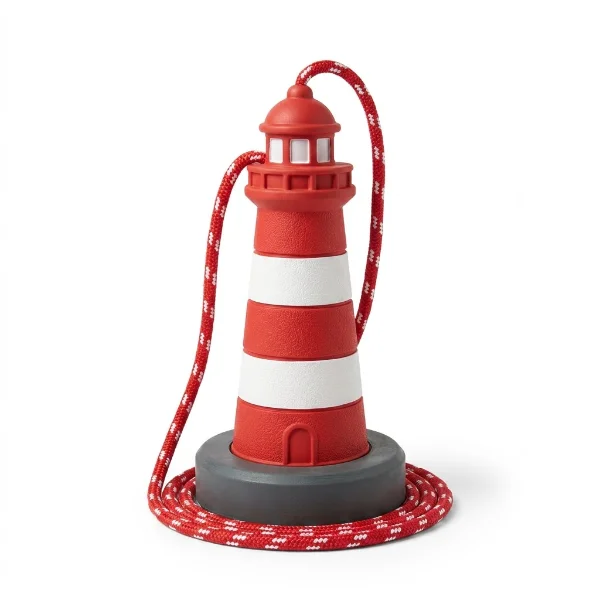
Rogz floating lighthouse toy
Brightly coloured rubber toy with a long rope, made to stay upright on the water
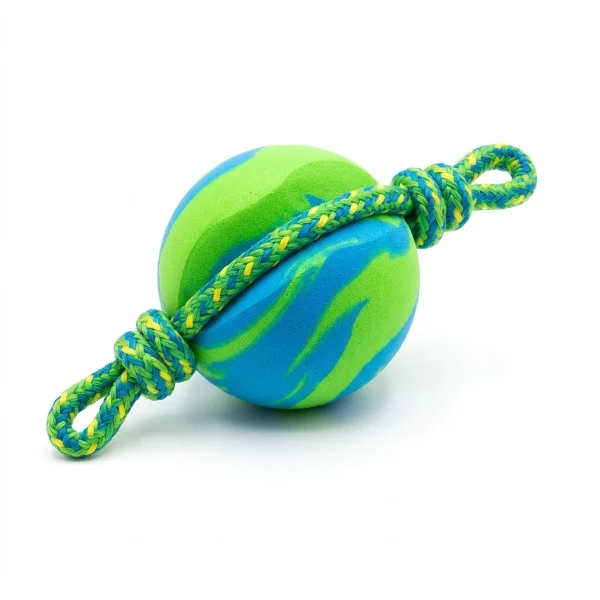
Fling foam ball with rope
Floating foam ball on a 50 cm nylon rope for tug and fetch
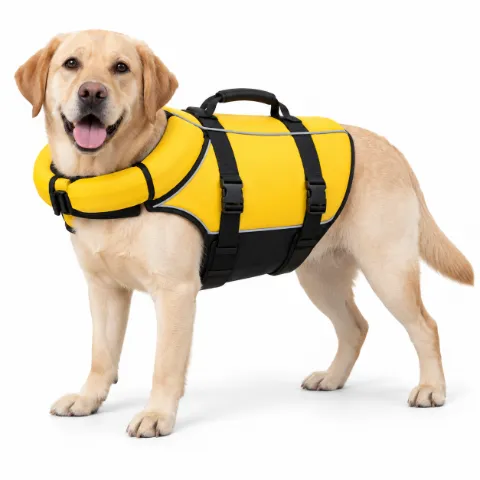
EzyDog life jacket
A life jacket adds buoyancy and a handle for lifting your dog out, which helps in deeper water.
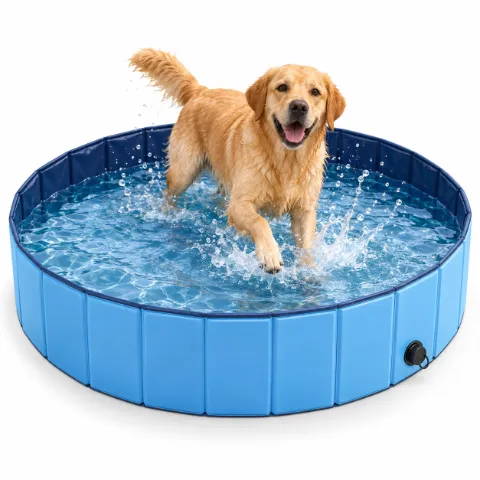
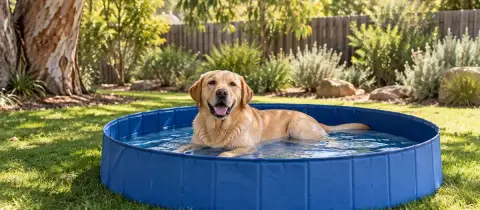
Foldable dog pool
A pool gives your dog a spot to splash in at home.
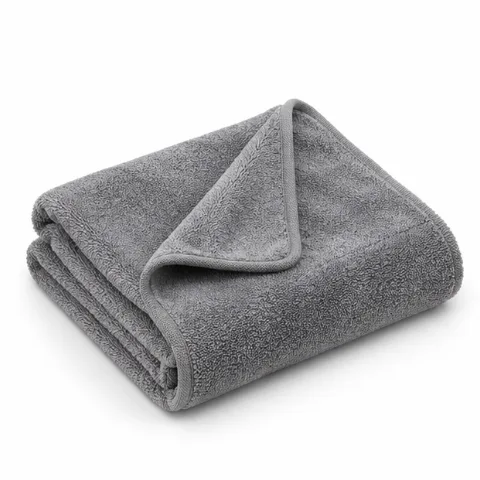
Extra large dog towel
A big towel makes the post-swim dry-off quicker.

Waterproof sherpa dog blanket
A waterproof blanket protects the car seat or couch on the way home.
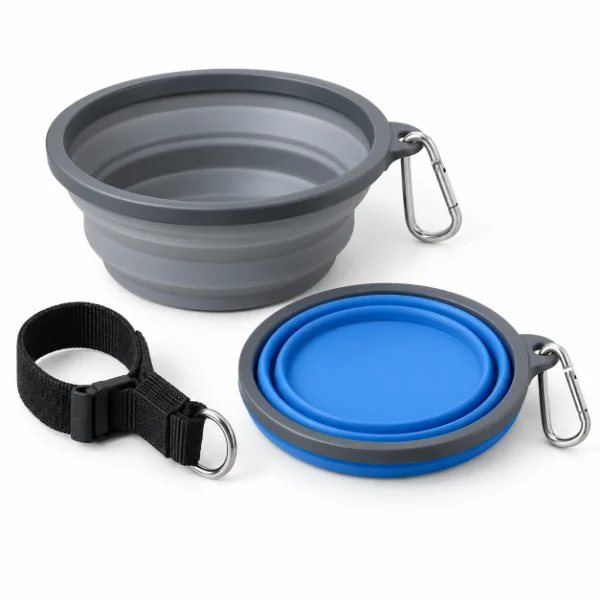
Collapsible dog bowls
A packable bowl makes it easy to offer fresh drinking water between swims, so your dog isn't tempted by the pool or sea.
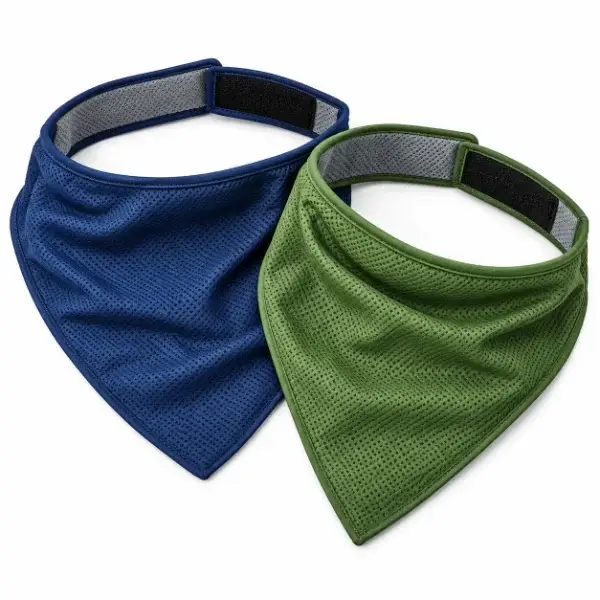
Cooling bandana
A damp bandana can help on warm days at the beach or pool, alongside shade and rest breaks.
Pictures are illustrations, not the actual products.
Sizes matter, so check the sizing section below before you click.
What toys float for dogs?
Toys made from foam, cork or sealed, hollow rubber usually float. Dense solid rubber, plush and many latex squeakers don't, or they soak up water and sink. The three picks here are described by their listings as floating, but test a new toy in shallow water before you throw it far.
Shape helps too. PDSA advises avoiding tennis balls and other rounded toys, because a flat toy lets a dog close its mouth more tightly around it, and a floating toy helps stop a dog diving under the water (PDSA, page read 1 November 2026). A bumper or a toy on a rope is easier to grab from the surface than a small ball.
Colour is practical, not just pretty. A bright orange or red toy is far easier for you to spot in choppy water or glare, which also helps you keep an eye on where your dog is heading.
Are water toys safe for dogs?
Yes, when the toy suits your dog's size and you stay close. Pick a toy too big to swallow, check it for cracks and chewed edges before each swim, and take it away if your dog starts tearing it apart. Water toys are for supervised play, not for leaving with your dog.
Rope and foam toys can come apart if chewed. If your dog is a determined chewer, look at our toys for heavy chewers guide instead. The next section covers swimming itself.
Our picks in detail
1. Chuckit Amphibious Bumper: best overall
A light fetch bumper made from memory foam. The listing says it floats for fetching fun at the pool or the beach, and it's described as waterproof and unscented. The listing shows orange and green in the medium size, at 23 grams, for medium breeds. Chuckit also makes ball launchers, which we cover in our ball launcher guide.
- Pros: light and soft to catch; floats per the listing; bright colours
- Cons: soft foam won't survive a determined chewer; the listing's dimensions look unclear, so match the size to your dog by breed size; the listing doesn't say how the foam copes with long-term salt water
- Best for: medium dogs who love fetch at the beach or pool
- Skip it if: your dog shreds soft toys, or you have a large dog and want a bigger toy
2. Rogz floating lighthouse toy: best for pools
A lighthouse-shaped rubber toy. The listing says it stays upright when floating, is brightly coloured and easy for a dog to spot in the water, and comes with a long rope so you can throw it well out. It's listed as a Large size for large dogs (17.8 cm long), and the listing calls the rubber durable enough for chewing.
- Pros: bright and upright, so easy to see; rope helps long throws; suits larger mouths
- Cons: heavier than a foam bumper; the listing's material field is unclear (it says acrylic, while the bullets say rubber); a rope can tangle, so never leave it around your dog's neck
- Best for: pool days and dogs who like to grip and carry a toy
- Skip it if: you have a small dog, or you want a very light toy for gentle catches
3. Fling foam ball with rope: best rope toy
A foam ball on a nylon rope. The listing says the large ball is 9 cm across with a 50 cm rope, and that it floats, so it works for water fetch and tug games in a pool, river or lake. There's also a smaller ball size on the listing. The material is listed as EVA foam, and the listing describes it as non-toxic. For dry-land tug toys by dog size, see our tug toy guide.
- Pros: floats per the listing; rope for tossing and tugging; two ball sizes
- Cons: the listing itself says it cannot be chewed but can be bitten, so don't leave it unattended; it carries a note that international products have separate terms and may differ from local ones; the product name and brand on the listing don't match, so check the details when you order
- Best for: medium and large dogs who love tug and water fetch
- Skip it if: your dog chews toys to pieces, or you want a toy with clear local terms
Can dogs swallow too much water playing fetch?
Yes. Water intoxication is rare, but it can be serious. PDSA explains that swallowing a lot of water in a short time dilutes the blood's sodium, and fetching toys from water or playing with a hose can lead to gulping. Smaller dogs may reach their limit sooner (PDSA, page read 1 November 2026).
PDSA lists signs that include staggering or loss of coordination, tiredness, weakness, bloating, vomiting, passing large amounts of clear urine, dilated pupils or glazed eyes, and drooling. Call your vet straight away if you see any of them. To lower the risk:
- Keep water sessions short and give regular rest breaks on dry land.
- Choose a flat, floating toy over a round ball that your dog dives for.
- Offer fresh drinking water so your dog isn't tempted by the pool or sea.
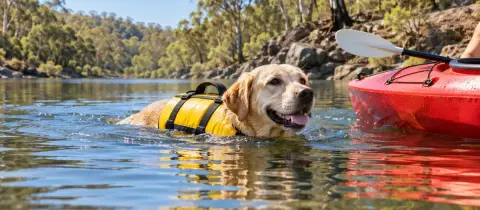
- Consider a flotation vest, and never leave your dog unsupervised in water.
What is the best water toy for the beach?
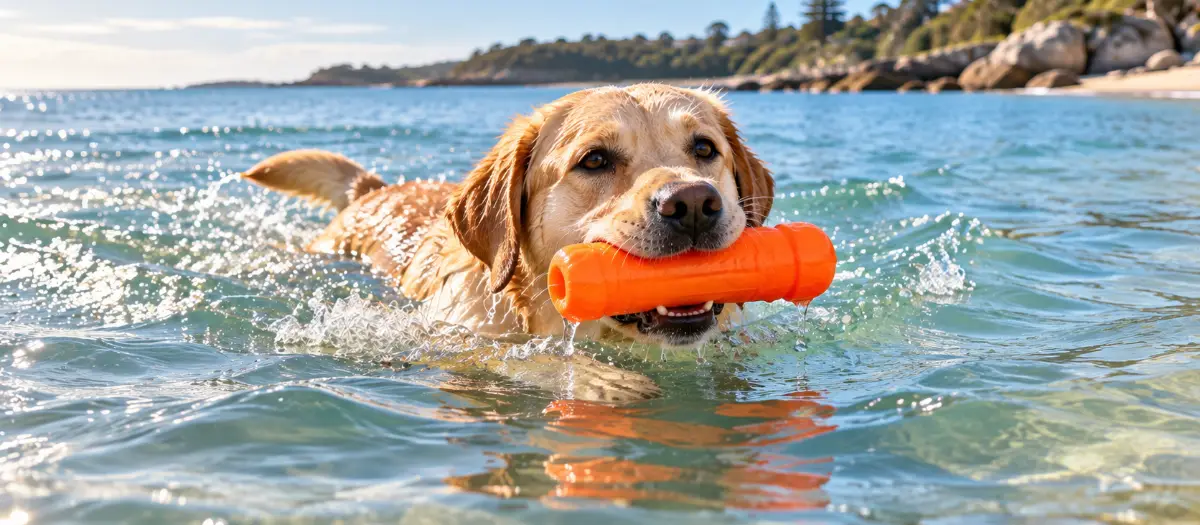
For the beach, the Chuckit Amphibious Bumper is the easiest all-rounder. It's light, the listing says it floats, and it's bright against sand and surf. The Rogz lighthouse and its long rope also work for throwing past gentle shore breaks, as long as the water is calm and shallow.
Check conditions before you throw. Avoid big waves, strong currents and very cold water, and let your dog rest during swims. VCA Animal Hospitals also says never to force a dog to swim, and notes a dog may avoid water because it is tired or in pain (VCA Animal Hospitals, page read 1 November 2026). On hot days, play in the cooler parts of the day and have shade and fresh water ready, as in our keep your dog cool in summer guide.
How do I teach my dog to swim?
Go slowly and let your dog set the pace. Start in calm, shallow water where your dog can stand, praise and reward every brave step, and never push or throw a dog in. A floating toy can coax a hesitant dog forward, but keep the first throws short.
VCA points out that not all dogs can swim, so don't assume yours can (VCA Animal Hospitals, page read 1 November 2026). It suggests lessons for dogs that don't take to water and a vet check first if your dog has conditions such as arthritis, heart disease or epilepsy. It says stocky, short-legged breeds like bulldogs and pugs always need a life jacket whenever they're in the water. See our dog life jackets guide.
Teach your dog where the exit is, too. Practise leaving the pool by the steps or ramp, calling your dog to it from different spots.
Water toys for dogs compared
Details from each Amazon Australia listing, checked on 19 Nov 2026.
| Product | Floats per listing | Size | Material |
|---|---|---|---|
| Chuckit Amphibious Bumper | Yes | Medium, 23 g | Memory foam |
| Rogz floating lighthouse | Yes, stays upright | Large, 17.8 cm long | Rubber (details field says acrylic) |
| Fling foam ball with rope | Yes | 9 cm ball, 50 cm rope, 100 g | EVA foam, nylon rope |
How we chose
We searched Amazon Australia for floating dog toys and water fetch toys, then shortlisted toys that met all of these checks:
- Well rated: a strong average rating with plenty of buyer reviews.
- No red flags: no pattern of poor reviews, safety complaints or listing problems.
- Available on Amazon Australia when we checked.
- Floats, according to the listing.
- A clear size for dogs, so you can match it to your dog.
- A sensible material: foam, rubber or rope, with no small loose parts.
- Easy to see on the water, from bright colours.
These are researched picks, not products we've personally tested. We compared the specifications and features shown on each Amazon Australia listing, checked on 19 Nov 2026. We didn't accept payment from any brand, and no brand saw this page before it was published.
Left out this time: squeaky latex toys that sink or split.
How to choose the right size
Pick a toy too big to swallow but small enough to carry comfortably. Your dog should be able to hold it without it sitting deep in the throat. Bigger dogs need bigger toys: the Rogz is listed for large dogs, the large Fling ball suits medium to large dogs, and the Chuckit medium suits medium breeds. If your dog is small, check each listing's size notes first.
Match the toy to your dog's chewing habits too. Soft foam is gentle on teeth but easier to tear. Our dog frisbee guide has more floating-friendly options for dogs who love a catch.
Setting up a safe water play session
- Choose calm water. Avoid strong currents, big waves and water with algae or rubbish.
- Check the ground. Hot sand and paths can burn paws, so hold the back of your hand on the ground for 5 seconds first.
- Throw short at first. Give your dog time to get used to the toy and the water.
- Take breaks. Rest on dry land in the shade, with fresh water. A cooling bandana can help on warm days.
- Stay close. Supervise your dog in and around water at all times.
- Check the collar. A soaked nylon collar holds water and smell; our waterproof dog collar guide compares collars that wipe dry.
Caring for water toys
Rinse toys in fresh water after salt or chlorine, then let them dry fully in the shade. Check foam and rope for tears, and throw them away if the rope frays or pieces come loose. Rinse your dog too, because salt and chlorine can irritate skin.
When to see a vet
Call your vet straight away if your dog staggers, seems weak or tired, bloats, vomits, passes lots of clear urine, has dilated pupils or glazed eyes, or drools heavily after water play, or if it swallows part of a toy. PDSA lists these as signs of possible water intoxication, which can be serious (PDSA, page read 1 November 2026).
If your dog is panting heavily, wobbly or collapses in the heat, cool them with cool, not ice-cold, tap water and go to the vet even if they seem better. Ask your vet before swimming if your dog has arthritis, heart disease or epilepsy.
Frequently asked questions
How do I get my dog interested in a water toy?
Start on dry land with a short game of fetch or tug, so your dog links the toy with fun. Then move to the shallows and toss it a step or two into water your dog can stand in. Praise every retrieve, keep sessions short, and never throw it beyond the reach of a dog who isn't a confident swimmer.
Do dogs need special toys for the pool?
Not special, but floating toys are easier. A toy that sinks can be hard to find and may tempt a dog to dive and gulp water. Bright colours help you see it, and a flat or rope toy is easier to grab than a small ball.
Can dogs get sick from swallowing water while playing fetch?
Yes, though it's rare. Swallowing a lot of water quickly can upset the body's salt balance, according to PDSA. Keep sessions short, take breaks and use a flat floating toy. Call your vet straight away if your dog seems wobbly, weak, sick or bloated.
Are tennis balls safe for dogs in water?
They're not ideal for water fetch. PDSA advises avoiding tennis balls and other rounded toys, because a flat toy lets your dog close its mouth more tightly around it, and a floating toy helps stop your dog diving under the water. A bumper or a rope toy is a better choice, and keep sessions short with breaks on land.
Can I leave a water toy with my dog in the pool?
No. Water toys are for supervised play, and dogs in water need watching anyway. Rope and foam can be chewed apart and swallowed, and a toy left floating can tempt a dog back into the pool when you're not there. Take the toy away when play ends, rinse it and check it for damage before the next swim.
Should my dog wear a life jacket for water play?
It can help, especially for weak swimmers and for boating. VCA Animal Hospitals says stocky, short-legged breeds like bulldogs and pugs always need a life jacket when they go in the water, and PDSA suggests a flotation vest to keep a dog above water during fetch. See our life jacket guide for options and fit tips.
How long should my dog play in the water?
There's no set time, because it depends on your dog's size, fitness, swimming ability and the weather. PDSA advises limiting time in water and giving regular breaks so the body can cope with any water swallowed. Short sessions with rests on land beat one long swim. Stop when your dog tires, and offer fresh drinking water.
Related guides
- Dog-friendly beaches in Australia
- Best dog tug toys
- Chuckit guide
- Waterproof dog collars
- Best dog pools
- Best dog splash pad
- Best frisbee for dogs
- Best dog cooling bandana
- Best dog life jackets
- How to keep your dog cool in summer
- Best dog ball launcher
Sources
- PDSA: What is water intoxication in dogs, and why is it dangerous?, read 1 November 2026
- VCA Animal Hospitals: The dos and don'ts of dog water safety, read 1 November 2026
- Product details from each linked Amazon Australia listing, checked on 19 Nov 2026.
This guide provides general information and isn't a substitute for veterinary advice. If you're concerned about your dog's safety in water, speak with your vet.