Best dog nose balm: lick-safe picks for dry, crusty noses
By Anish PuriUpdated 25 Nov 202615 min readResearched, not tested by us
Research guide. WhiskerFinds may earn a commission from links, at no extra cost to you.
Quick answer: A dog nose balm is a moisturiser made for dogs that can soften a dry or flaky nose. For most dogs our top pick is Burt's Bees Paw and Nose Lotion, which the listing says is made without fragrances. A balm is a comfort tool, not a treatment. A cracked, bleeding or crusty nose, or one losing colour, needs a vet.
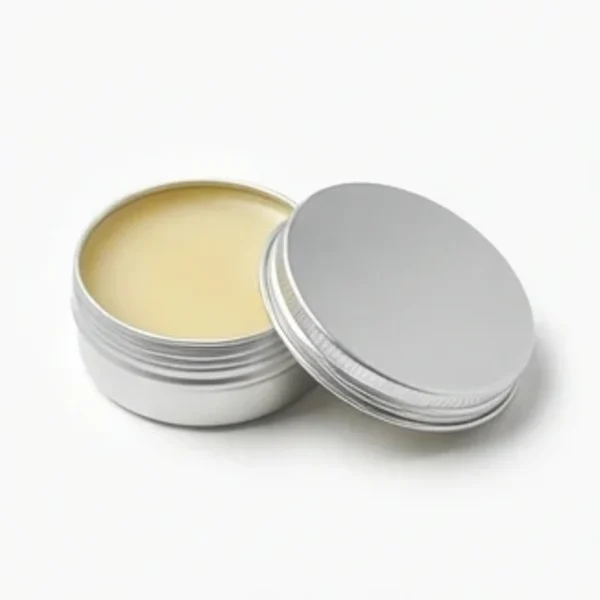
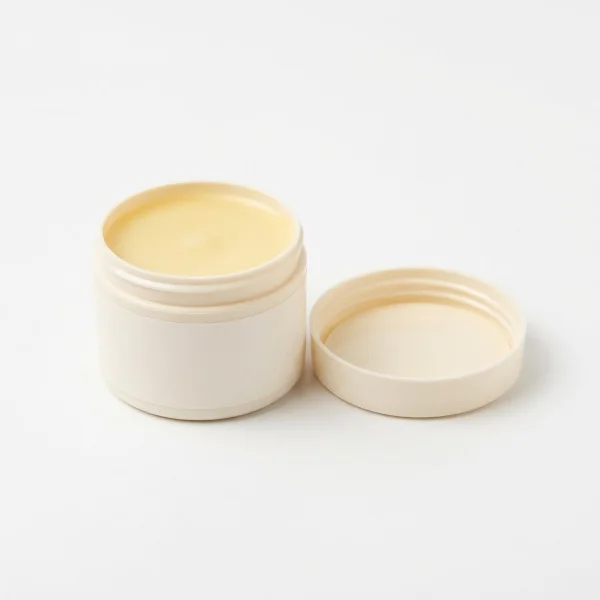
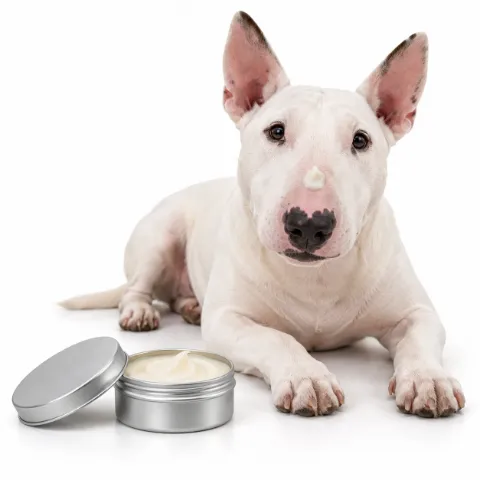
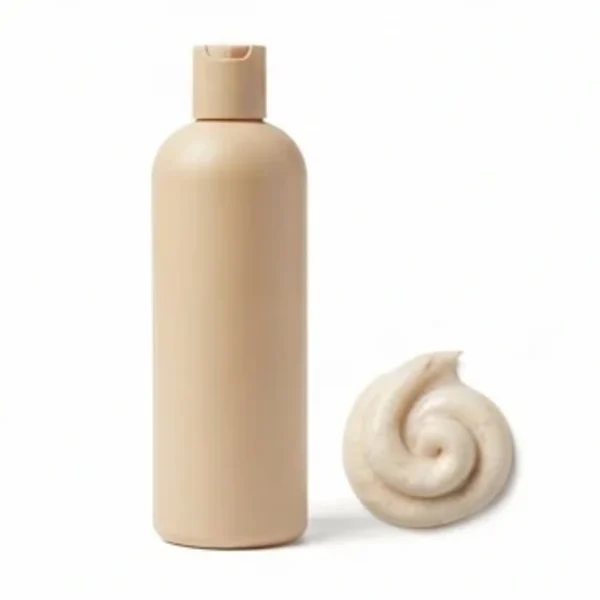
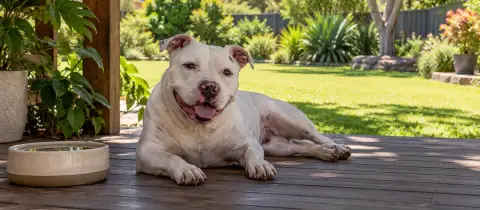
Illustration, not the actual product
Our top pickBurt's Bees Paw and Nose Lotion for Dogs
A dry nose is often nothing to worry about, and many owners just want something gentle that is safe when it inevitably gets licked. This guide compares four dog nose balms on Amazon Australia by format, size in grams and ingredients, and sorts out what to avoid. For why noses dry out in the first place, see our dog dry nose guide.
One thing is worth knowing up front: only the Bugalugs tin states an age limit. If you also want a balm for pads, our dog paw balm guide covers that job.
Quick picks
Our top pickBest overall
Burt's Bees Paw and Nose Lotion for Dogs
Listing says made without fragrances and colourants; a lotion, 136 g
Pictures are illustrations, not the actual products.
Does dog nose balm work?
It can soften dry skin and slow moisture loss, which may make a dry nose more comfortable. It does not treat the cause of a crusty or cracked nose, and it does not make a nose "healthy" if something else is going on.
Where thickened skin is already there, the vet quoted by the AKC says not to peel or cut it at home, because over-trimming can cause pain, bleeding and infection, and that a vet may trim it if the overgrowth is severe (AKC, "Hyperkeratosis in Dogs", updated 22 April 2026, page read 25 November 2026). The AKC lists Labradors, Golden Retrievers, Cocker Spaniels, Boxers and French Bulldogs among the breeds more prone to it, and says it commonly shows up in older dogs (see our French bulldog guide).
"Lick-safe" is the maker's claim on every listing here that uses it, so treat it as a reason to shortlist a product, not a guarantee. A thin layer limits how much goes down, and applying it just before a walk or a meal gives your dog something else to think about. If your dog seems to lick the nose raw, or the licking is constant, that is worth a vet visit in itself.
Our picks in detail
1. Burt's Bees Paw and Nose Lotion for Dogs: best overall
A familiar brand and a nose-and-paw lotion in a 136 g (4 oz) pack. The listing says it is made without fragrances, sulfates, colourants and harsh chemicals, and the ingredients include glycerin, honey, beeswax, jojoba butter and olive oil. Water is the first ingredient, so it should spread more thinly than a wax balm.
That also makes it thinner than a balm. The listing doesn't say "lick-safe" in so many words and gives no directions beyond the brand line, so the thin-layer advice on this page is ours. It is made in the USA.
Pros: fragrance-free per the listing; no coconut oil; large 136 g size; lotion format
Cons: thinner than a wax balm, so it may not stay put on a thick crust; the listing doesn't say lick-safe; imported, so check the delivery details on Amazon before you order
Best for: mild dryness on the nose and paws, and owners who dislike greasy tins
Skip it if: the nose is thickly crusted and you want a heavier balm that stays on (and see your vet first)
2. BUGALUGS Paw Pad and Nose Balm with oatmeal: best oatmeal balm
A 40 g vegan tin for nose and paws. The listing says it is made with food-safe oils and waxes, that it is lick-safe, and that it is suitable for all breeds and puppies over 12 weeks. It lists colloidal oatmeal, coconut oil, sweet almond oil and Oat Lipid E. It is made in the UK.
We haven't repeated the listing's claims about healing hot spots or cuts, or that it suits cats, chickens and horses. Those aren't things a nose balm should promise. Dip a clean finger in, take a pea-sized amount, and warm it before you dab.
Pros: vegan formula per the listing; stated puppy age (over 12 weeks); oatmeal and plain oils
Cons: small 40 g tin; a tin means dipping a finger, which is less tidy than a stick; contains coconut oil; imported, so check the delivery details on Amazon before you order
Best for: dogs with sensitive skin, and puppies past 12 weeks
Skip it if: your puppy is under 12 weeks, or you want a bigger tin
3. PawSono lick-safe paw and nose balm with coconut oil: best for paws and nose from one tin
One tin of about 60 g for the nose, pads and elbows. The listing says the ingredients are food-grade and safe if licked: candelilla wax, shea butter, coconut oil, aloe vera extract, sunflower seed oil, beeswax, olive oil and vitamin E. It suggests applying once daily, more in dry weather, and, for dogs that lick it straight off, putting it on before bedtime.
We'd still start with a thin layer and watch how your dog reacts. PawSono is also a pick on our dog paw balm guide, so if you want the pads covered in more detail, start there. We haven't repeated the listing's claims about healing cuts or protecting from hot pavement.
Pros: one tin for nose, pads and elbows; wax base per the listing; simple ingredient list
Cons: natural coconut scent; coconut oil is one of the ingredients; imported, so check the delivery details on Amazon before you order
Best for: owners who want a single balm for nose and paws
Skip it if: your dog reacts to coconut oil, or you want an unscented balm
4. Lick-safe dog paw and nose balm, 2.1 oz tin: best short ingredient list
A 60 g tin with seven plain ingredients: coconut oil, shea butter, olive oil, candelilla wax, beeswax, jojoba oil and calendula extract. The listing says it is food-grade, alcohol free and lightly coconut scented, with directions to use once or twice daily and to reduce licking for better absorption. The brand name isn't shown in the listing details we checked, so on the Amazon page look for the maker's name before you buy.
It is a newer listing, which is the honest trade-off for a short, readable list. We haven't repeated its claims about road salt or hot pavement.
Pros: seven readable ingredients; 60 g tin; alcohol free per the listing
Cons: light coconut scent; contains coconut oil; newer listing with no brand name in what we checked; imported, so check the delivery details on Amazon before you order
Best for: owners who want a short ingredient list they can check
Skip it if: you want an established brand or a scent-free balm
What should you look for, and what should you avoid?
Look for a short, readable ingredient list, a product made for dogs, and a format you can apply thinly. Avoid essential oils, strong fragrance, zinc oxide and human creams.
Essential oils. PetMD says many essential oils are harmful or even toxic to dogs, that pure tea tree oil isn't safe, and that small amounts in a product are only considered non-toxic when used exactly as the label says and not licked off (PetMD, Dr Barri J. Morrison, 2 April 2024, page read 25 November 2026). A nose balm gets licked, so we left out every product whose listing names essential oils, the same rule as our paw balm and medicated shampoo pages.
Fragrance. PetPlace lists fragrances among the irritants that can dry a nose, so an unscented or lightly scented balm is the safer start.
Zinc oxide and human sunscreen. Not for a nose that will be licked. If sun is the issue, see the sun question below and our dog sunscreen guide.
Medical claims. Several listings use words like "heal" or "repair". A balm softens dry skin. Anything beyond that is the vet's call, and we haven't repeated those claims.
Can you use paw balm, Vaseline or coconut oil on a dog's nose?
A balm made for dogs is fine on a nose if it passes the checks above, and PawSono and the coconut and shea tin on this page are sold for paws and nose together. Vaseline and plain coconut oil are different, and PetMD's vet author advises against both.
PetMD says Vaseline is a petroleum product that can cause serious stomach upset if licked off, and that plain coconut oil shouldn't go on cracked paws because swallowing it can cause stomach upset or pancreatitis and it can trigger a reaction in some dogs (PetMD, Dr Barri J. Morrison, 14 November 2024, page read 25 November 2026). Those lines are about paws, but a nose is licked just as readily. Three of our four picks contain coconut oil as one ingredient among several, so keep the layer thin and ask your vet first if your dog has had pancreatitis. Burt's Bees is the only pick here without coconut oil on its ingredient list.
Some human medicines and creams are dangerous for dogs, so ask your vet before putting anything else on the nose.
Dog nose balms compared
Details from each Amazon Australia listing, checked on 25 Nov 2026. "Not stated" means the listing doesn't say.
A vet check first, then a wax balm in a thin layer if your vet agrees
Any tin, after the vet (2, 3 or 4)
Nose, paws and elbows from one product
A balm the listing names for all three
PawSono (3)
Puppy over 12 weeks
A stated puppy age
Bugalugs (2)
Sensitive skin, you want a short list
Plain ingredients you can read
Coconut and shea tin (4) or Bugalugs (2)
Hates greasy fingers
A lotion, not a tin
Burt's Bees (1)
Reacts to coconut oil
No coconut oil on the list. Burt's Bees still lists coconut-derived cleansers, so ask your vet about a true coconut allergy
Burt's Bees (1), after asking your vet
How we chose
We searched Amazon Australia for dog nose balms and shortlisted those that met all of these checks:
Well rated: a strong average rating with plenty of buyer reviews.
No red flags: no pattern of poor reviews, safety complaints or listing problems.
Available on Amazon Australia when we checked.
Made for dogs, with its ingredients named on the listing.
No essential oils named anywhere in the listing, because a nose is licked.
Format and size in grams stated.
These are researched picks, not products we've personally tested. We compared the specifications and features on each Amazon Australia listing, checked on 25 Nov 2026, and we didn't accept payment from any brand.
Left out this time: nose butters whose listings named essential oils, sunscreen balms (see our dog sunscreen guide), and paw sticks sold for pads only. We also left out the Natural Dog Company Snout Soother stick for now. Its listing is made for noses, but it includes grapeseed oil. VCA's grape poisoning page, written by Pet Poison Helpline vets, lists grape seed extract among grape products that don't appear to cause poisoning (VCA Animal Hospitals, page read 25 November 2026). We found no source that covers the oil in a balm licked every day, and grapes themselves are toxic to dogs, so we'd rather wait than guess. Palmer's Fragrance Free balm is the top pick on our paw balm page, and its listing says to keep it out of reach to avoid possible consumption and not to use it on broken skin, which suits pads better than a nose.
Where else can you buy a nose balm?
Vet clinics and pet shops stock nose and paw balms too. A clinic can also tell you whether a balm is the right tool for your dog's nose at all. Read the ingredient list wherever you buy, and skip anything with essential oils.
When to see a vet
Book a vet visit if the nose is cracked, bleeding, scabbed or sore; has a thick crust that keeps building; is losing colour (a black nose turning pink or grey) or has a changed surface; has discharge that is thick, yellow, green or bloody, or from one nostril only; or has a sore that doesn't heal. A dry nose together with lethargy, not eating, vomiting or a fever also needs a check. These can have many causes, including sun damage and autoimmune conditions, and a vet can work out which. A balm won't treat them. See our dog dry nose guide for more.
Go to a vet or emergency clinic straight away if your dog is struggling to breathe, or shows signs of heatstroke such as heavy panting, drooling and collapse (see our summer cooling guide). If your dog has swallowed a large amount of balm or any product you aren't sure about, call the Animal Poisons Helpline on 1300 869 738 (24 hours) or your vet.
Frequently asked questions
How often should I put balm on my dog's nose?
Follow the product's directions, which vary: the PawSono listing says once daily, more in dry weather, and the coconut and shea tin says once or twice daily. Our suggestion is a thin layer once a day, and stop if the nose gets redder, sorer or your dog reacts. Results vary, so watch how the nose responds.
Does nose balm protect my dog's nose from the sun?
No. A moisturising balm isn't a sunscreen, so we haven't relied on any listing's sun-protection wording. The MSD Veterinary Manual says pale, unpigmented parts of the nose are affected first by sun damage and that it can be worse in summer, and a vet should look at a sore or crusting pale nose. See our dog sunscreen guide for sun gear.
Can I peel the crust off my dog's nose?
No. The AKC advises against aggressively peeling or cutting thickened nose skin at home, because over-trimming can cause pain, bleeding and infection. If crust keeps building or looks sore, a vet can decide whether to trim it or look for a cause.
Can I use human lip balm on my dog's nose?
We'd avoid it. Human products aren't made for a dog that will lick them off, and PetMD's vet author says to use products designed for dogs. If you want something quick, one of the dog-made balms on this page is the better choice.
Can puppies use nose balm?
Only if the product's age limit allows. Bugalugs says puppies over 12 weeks, and the other three listings don't state an age. For a young puppy with a dry or sore nose, ask your vet before using anything.
My dog's skin is dry and flaky elsewhere too. Is that related?
It can be, but dry skin on the body and a dry nose can have different causes, and a vet can work out which applies. See our dog dandruff shampoo guide and our itchy skin guide, and ask your vet if it persists.
Do I need to wipe my dog's nose before applying balm?
A quick wipe of dirt or food with a clean, damp cloth helps the balm sit better. Pat it dry first, and use a plain damp cloth rather than a scented wipe. Our dog wipes guide covers wipes made for dogs, but keep any wipe away from the nostrils.