
Quick answer: Yes, dogs can eat blueberries. Plain, fresh or frozen berries are a safe treat in small amounts, from one or two for a tiny dog to several for a large one. Wash them first and halve them for very small dogs, as they can be a choking risk. Skip muffins, pies and sweetened blueberry products.
Drop a blueberry on the kitchen floor and most dogs will have it before you bend down, so it's worth knowing how many are fine. This guide covers how many to give by weight, fresh versus frozen, puppies, other berries and the blueberry foods that aren't safe. It sits with our other fruit guides, including strawberries and bananas, and the full list is in what fruits can dogs eat.
Quick picks
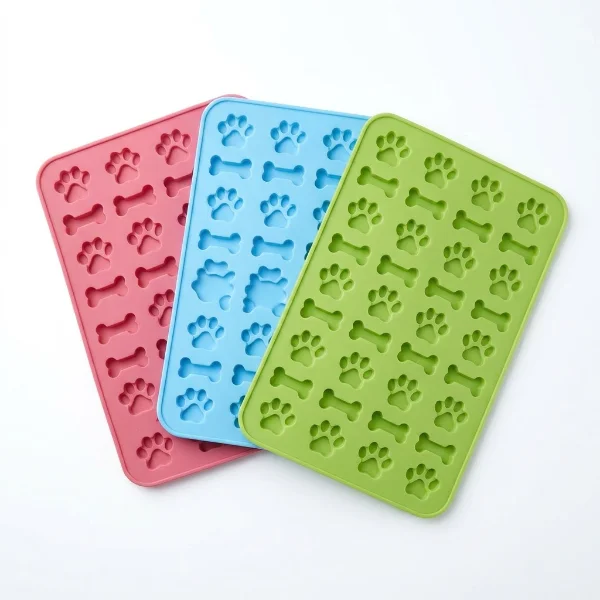
silicone paw and bone moulds
Freeze a few berries in plain, unsweetened yoghurt.

LickiMat Classic Buddy
Press halved berries into a thin spread and freeze; supervised use only.

SavourLife Dog Training Treats, Australian Kangaroo
Bite-size treats keep sessions going without overdoing fruit.
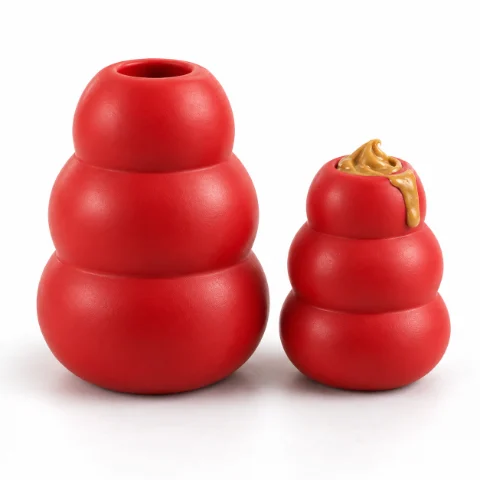
KONG Classic
From our frozen KONG recipes guide; the brand advises supervision.
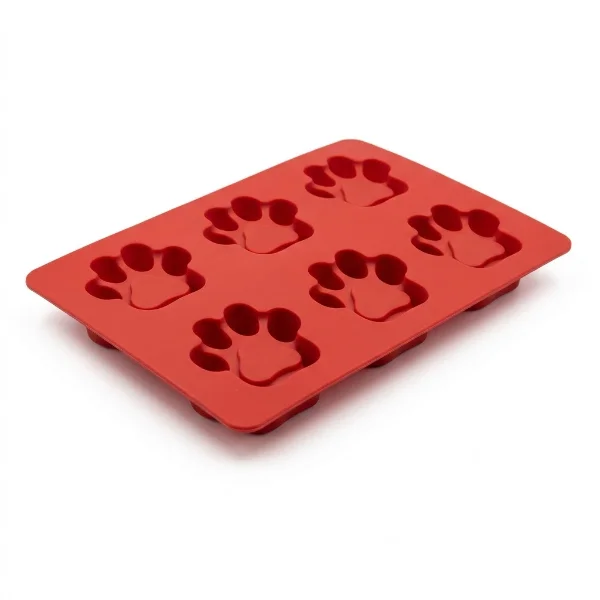
Selecto Bake dog paw print mould
A paw-print mould from our frozen dog treats guide for small portions.
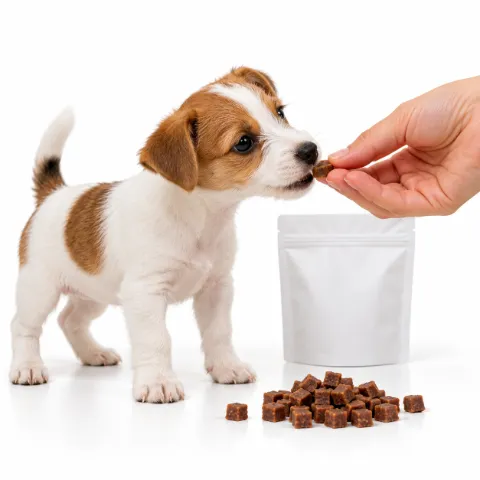
SavourLife Puppy Training Treats, Australian Chicken
Puppy-sized training treats for the puppy stage, which our puppy section covers.
KONG Classic
Stuff with a few berries and your dog's usual food and freeze.
Selecto Bake dog paw print mould
A paw-print mould for freezing small, portioned berry bites.
SavourLife Puppy Training Treats, Australian Chicken
A small training treat for the puppy stage, so berries stay an extra.

West Paw Toppl (Small)
A treat-dispensing toy to make a few berries last longer.

Gobeigo treat pouch
Keeps small training treats within reach on a walk or in a session.
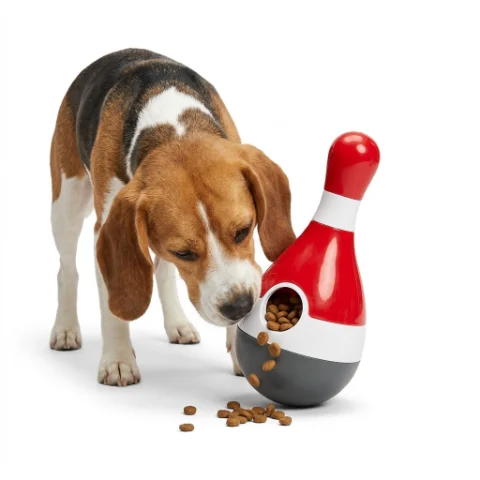
Pictures are illustrations, not the actual products.
More detail on the first three is in Useful gear for blueberry treats below. These help with the routine; they don't replace your vet.
Can dogs eat blueberries?
Yes. Blueberries are a safe treat for most dogs when they're served plain and in small amounts. Wash them first, and halve them for very small dogs because their round shape can be a choking risk. Fruit is an extra, not a meal, and it shouldn't crowd out your dog's complete and balanced food.
The American Kennel Club (AKC) says dogs can generally eat blueberries in moderation, as an occasional treat rather than a big part of the diet (AKC, updated 20 October 2026). PetMD, in an article reviewed by Sandra C. Mitchell, DVM, says most dogs can eat them safely, and that plain fresh or frozen berries are the best choice (PetMD, updated 25 July 2025). If you're not sure they suit your dog, ask your vet first.
Are blueberries good for dogs?
In small amounts, yes. The AKC says blueberries are low in calories and provide vitamin C, fibre and antioxidants, which makes them a handy treat. They still contain natural sugar, so they're a snack rather than a daily staple, and they don't replace a complete and balanced diet.
PetMD lists antioxidants, fibre and several vitamins and minerals, and says research suggests blueberries may help with cell damage, vision and thinking in older dogs (PetMD, updated 25 July 2025). That's a "may", not a promise, so treat it as a nice extra, not a reason to feed more. PetMD also says dogs with diabetes, food sensitivities or a prescription diet should generally avoid blueberries unless their vet approves, so check with your vet if that sounds like your dog.
How many blueberries can a dog eat?
It depends on size. The AKC says a small dog may need just 2 to 3 blueberries, and PetMD suggests 5 to 6 for a large dog. Treats, fruit included, should stay under about 10% of daily calories, and fewer is always fine.
PetMD gives a size guide, shown here in kilograms with its pound ranges in brackets. Treat these as ceilings for a day, not targets.
| Dog size | Weight | About how many blueberries |
|---|---|---|
| Extra small | 1 to 4.5 kg (2 to 10 lb) | 1 to 2 |
| Small | 5 to 9 kg (11 to 20 lb) | 2 to 3 |
| Medium | 10 to 23 kg (21 to 50 lb) | 3 to 5 |
| Large | 24 to 41 kg (51 to 90 lb) | 5 to 6 |
| Extra large | 41 kg and over (91 lb and over) | 6 to 10 |
PetMD says the right amount also depends on age, activity and health, and that treats should stay at no more than 10% of daily calories, with the other 90% from a complete and balanced dog food (PetMD, updated 25 July 2025). The AKC gives the same 10% limit (AKC, updated 20 October 2026). Offer a few the first time and watch for vomiting or diarrhoea. Dogs that are overweight, diabetic, have pancreatitis or are on a special diet should have fruit on their vet's say-so.
Can dogs eat blueberries every day?
You can offer a few regularly, but there's no need to. The AKC says small amounts can be given regularly as long as they don't replace a balanced diet. A handful of times a week is a gentler pattern for most dogs, and everything still has to fit inside the 10% treat limit.
Can dogs eat frozen blueberries?
Yes. Frozen blueberries are a cool treat, and the AKC and PetMD both say fresh or frozen is fine. Offer a few at a time, and watch fast eaters, because a hard frozen berry can be gulped whole. For very small dogs, halve them or let them soften for a minute first.
The AKC says frozen blueberries are often enjoyed as a refreshing treat (AKC, updated 20 October 2026). PetMD says frozen berries are safe and suit warm weather, and suggests freezing a plain blueberry purée in ice cube trays or on a lick mat for enrichment (PetMD, updated 25 July 2025). Check the bag says blueberries and nothing else. For more cool ideas, see our dog ice cream guide and frozen KONG and lick mat recipes, which keep to plain, unsweetened, xylitol-free ingredients.
Can dogs eat dried blueberries?
Sometimes, but fresh or frozen is the better choice. Drying packs the sugar into a small, chewy piece that's easy to overdo, and many shop-bought packs have added sugar. If you do offer one, check the label lists just blueberries, give less than you would fresh and count it within the treat limit.
PetMD says dried blueberries are acceptable if they have no added sugar or preservatives, and that dehydration concentrates the sugar so portions need to be smaller (PetMD, updated 25 July 2025). Skip trail mixes and mixed dried fruit, as raisins and sultanas are toxic to dogs. See our toxic foods list.
Do blueberries need washing, and can they choke a dog?
Yes to washing, and yes, they can be a choking risk for small dogs. Rinse them well to remove dirt and residue, pull off any stems, and halve them for very small dogs or fast eaters. A whole berry is fine for most bigger dogs that chew.
The AKC says to wash them thoroughly to remove dirt, bacteria and pesticide residue, and that their size and shape can pose a choking risk, especially for very small dogs, so halving is suggested (AKC, updated 20 October 2026). PetMD says the risk is higher for small breeds and dogs that gulp, and that cutting or mashing the berries reduces it (PetMD, updated 25 July 2025).
Can I use blueberries as training treats?
Yes, they work well as tiny rewards. A halved blueberry is a very small piece, but they still count toward the day's 10% treat limit. If you're running a long session, mix them with your dog's own kibble, or see our guide to dog training treats for low-calorie options.
For a small dog, a whole session of rewards can add up to more blueberries than the size table allows, so count them as you go. Wash the berries first and carry them in a clean container, and keep a few in the fridge rather than in a warm treat pouch.
Can puppies eat blueberries?
Yes, in small amounts. Puppies can have a tiny piece of blueberry once they're eating solid food, introduced gradually and cut to a size that won't cause choking. Start with one halved berry, and don't let treats take the place of their puppy food.
The AKC says puppies can eat blueberries in moderation if they're introduced gradually and cut to a safe size (AKC, updated 20 October 2026). PetMD agrees, with portions suited to the puppy's age and size (PetMD, updated 25 July 2025). Puppies have sensitive tummies, so ask your vet if yours is on a special diet.
Can dogs eat other berries?
Mostly yes, in small amounts. Strawberries and blackberries are fine, raspberries need very small amounts, and frozen berry mixes need a label check. PetMD also lists cranberries as safe in moderation. The rule is the same for all of them: plain, washed, a few at a time.
- Strawberries: fine, with the leaves and stem removed. See can dogs eat strawberries.
- Raspberries: PetMD calls them one of the highest natural sources of xylitol, so keep to a few, and note it says a handful is unlikely to harm most dogs (PetMD, updated 11 August 2025).
- Blackberries: the AKC says they contain trace amounts of xylitol that are considered safe in the small servings dogs normally eat, and that frozen mixes usually have added sugar or xylitol (AKC, updated 6 January 2025).
- Wild berries: PetMD says wild blueberries are safe if they're correctly identified and not given in large amounts. If you can't be sure what a berry is, don't offer it.
Which blueberry foods should dogs avoid?
Skip anything sweetened or baked. That means blueberry muffins, pie filling, canned or syrup-packed blueberries, jam, pancakes with syrup and most blueberry yoghurts. They carry added sugar, fat and sometimes xylitol, which can drop blood sugar fast and damage the liver. Plain berries do the same job without the extras.
PetMD lists canned, sweetened or syrup-packed blueberries, blueberry pie filling, muffins and most blueberry yoghurts, especially those with added sugar or artificial sweeteners, as products to avoid, along with anything containing xylitol (PetMD, updated 25 July 2025).
- Muffins, pancakes and cake: sugar and fat, and sometimes raisins or sultanas, which are toxic to dogs. See our toxic foods list.
- Jam and syrup: mostly added sugar, and some contain xylitol. Check the label.
- Blueberry yoghurt: if you want to mix berries into yoghurt, keep it plain and xylitol-free.
- Not sure about a food? Try our Can my pet eat this? checker.
Choose by situation
Blueberries suit most dogs, but the right serve changes with size, age and health. Use this table to match your dog to the right amount and prep. Each row comes from the AKC and PetMD guidance above, and your vet knows your dog best.
| Your situation | What to do | Our guide |
|---|---|---|
| Very small dog, under 5 kg | One or two berries, halved, because of the choking risk | How many blueberries can a dog eat? |
| Large dog, 24 to 41 kg | About 5 to 6 berries, within the 10% treat limit | How many blueberries can a dog eat? |
| Puppy | One halved berry once eating solid food, and ask your vet if the diet is special | Can puppies eat blueberries? |
| Hot day | A few frozen berries, one at a time, softened for a minute for small dogs | Dog ice cream guide |
| Training session | Halved berries as tiny rewards, counted in the 10% | Dog training treats |
| Diabetes, overweight or special diet | Ask your vet before offering any | What fruits can dogs eat? |
| Blueberry muffin or jam | Skip it, and check the label for xylitol | Which blueberry foods should dogs avoid? |
Useful gear for blueberry treats
Blueberries are small, so they work well as frozen bites or mixed into a slow treat. These are picks from our own product guides.
- silicone paw and bone moulds: freeze a few berries in plain, unsweetened yoghurt. More ideas in our frozen dog treats guide.
- LickiMat Classic Buddy: press halved berries into a thin spread and freeze. Lick mats are for supervised use. More in our lick mats guide.
- SavourLife Dog Training Treats, Australian Kangaroo: if you use berries as training rewards, a bag of bite-size treats keeps sessions going without overdoing fruit. See our dog training treats guide.
When to see a vet
Call your vet if your dog has vomiting or diarrhoea that doesn't settle, or seems unwell after eating blueberries or a blueberry product.
- Repeated vomiting or ongoing diarrhoea
- Coughing, gagging or pawing at the mouth, which can mean something is stuck in the throat
- A swollen, hard or sore belly, or a hunched posture
- Loss of appetite, lethargy or drooling
- Any known or suspected case of eating a sweetened product, which may contain xylitol
If your dog has eaten something toxic such as xylitol, grapes, raisins or chocolate, call your vet or the Animal Poisons Helpline (1300 869 738, 24/7) straight away. See our toxic foods list.
Frequently asked questions
How many blueberries can I give my dog a day?
It depends on weight. PetMD suggests 1 to 2 for dogs up to about 4.5 kg, 2 to 3 for 5 to 9 kg, 3 to 5 for 10 to 23 kg, 5 to 6 for 24 to 41 kg and up to 10 above that. Keep all treats under 10% of daily calories.
Are frozen blueberries OK for dogs?
Yes. The AKC and PetMD both say fresh or frozen blueberries are fine for dogs. Give a few at a time, and halve or soften them for very small dogs, because a hard frozen berry can be swallowed whole. Choose plain frozen blueberries with no added sugar.
Can dogs eat berries?
Yes, plain berries are fine in small amounts. Blueberries, strawberries and blackberries suit most dogs, and raspberries need very small amounts because of their natural xylitol. Avoid sweetened, canned or syrup-packed berries and frozen mixes with added sugar. Wash everything first, and cut small berries for tiny dogs.
Can puppies eat blueberries?
Yes, in moderation. The AKC says puppies can eat blueberries if they're introduced gradually and cut small enough not to choke. Start with one halved berry, watch for tummy upset, and keep puppy food as the main meal. Ask your vet if your puppy has a special diet.
Can blueberries make a dog sick?
They can if a dog eats too many, or if the berries are sweetened. Too much fruit can upset a dog's tummy, and the sugar adds up. Start with a few and watch your dog. Call your vet if vomiting or diarrhoea doesn't settle, or if a sweetened product with xylitol was eaten.
Are blueberries toxic to dogs?
No. Plain blueberries aren't toxic, and the AKC and PetMD both say dogs can eat them in moderation. The risks are choking in very small dogs, too many causing a sore tummy, and sweetened products that may contain xylitol, which is toxic to dogs. Our toxic foods list has the full run-down.
Can dogs eat blueberry muffins or yoghurt?
Better not. Muffins carry sugar, fat and sometimes raisins, and most blueberry yoghurts have added sugar or sweeteners such as xylitol, PetMD says. If you want yoghurt, use plain and xylitol-free and add a few fresh berries. Call your vet if your dog ate a product with xylitol.
Can diabetic or overweight dogs eat blueberries?
Ask your vet first. Blueberries are low in calories, which PetMD says makes them practical for weight management, but they contain natural sugar. PetMD says dogs with diabetes or on prescription diets should generally avoid them unless a vet approves. If your vet says yes, ask for an amount that suits your dog.
Related guides
- What fruits can dogs eat?
- Can dogs eat strawberries?
- Can dogs eat bananas?
- Can dogs eat kiwi fruit?
- Best dog training treats
- Frozen KONG and lick mat recipes
- Can my pet eat this? checker
- Dog ice cream: easy dog-safe recipes for hot days
- All our dog guides
Sources
- American Kennel Club, Can dogs eat blueberries? updated 20 October 2026, page read 6 November 2026 (https://www.akc.org/expert-advice/nutrition/can-dogs-eat-blueberries/)
- PetMD, Can dogs eat blueberries? Benefits and risks, reviewed by Sandra C. Mitchell, DVM, DABVP, updated 25 July 2025, page read 6 November 2026 (https://www.petmd.com/dog/nutrition/can-dogs-eat-blueberries)
- PetMD, Can dogs eat raspberries? updated 11 August 2025, page read 6 November 2026 (https://www.petmd.com/dog/nutrition/can-dogs-eat-raspberries)
- American Kennel Club, Can dogs eat blackberries? updated 6 January 2025, page read 6 November 2026 (https://www.akc.org/expert-advice/nutrition/can-dogs-eat-blackberries/)
This guide provides general information and isn't a substitute for veterinary advice. If you're concerned about your dog's diet or what they've eaten, speak with your vet.