
Quick answer: Yes, dogs can eat kiwi fruit. Peel it, cut it into small pieces and keep it to an occasional treat, as the AKC and PetMD both advise. The tough skin is hard to digest, and a whole kiwi can block the throat. Too much can cause diarrhoea, and the sugar matters for diabetic dogs.
Kiwi is a lunchbox regular, so it's no surprise dogs come sniffing when one is being sliced. This guide covers the skin, the seeds, gold versus green, how much to give and what to do about constipation. It sits alongside our guide to what fruits dogs can eat and the can dogs eat bananas page.
Quick picks

LickiMat Classic Buddy
Spread a little mashed, peeled kiwi with plain yoghurt and freeze; supervised use only.
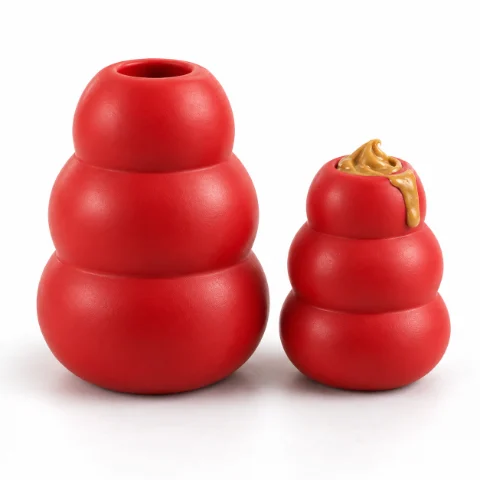
KONG Classic
Mix a few small pieces into usual food and freeze; the brand advises supervision.
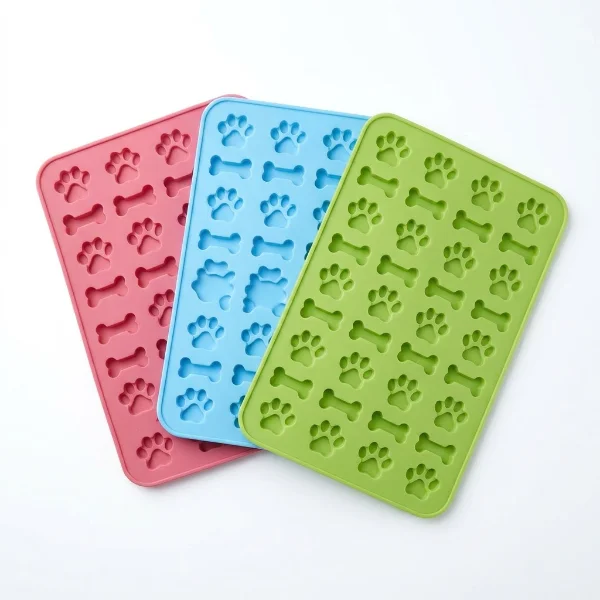
silicone paw and bone moulds
Freeze small fruit bites for hot days.
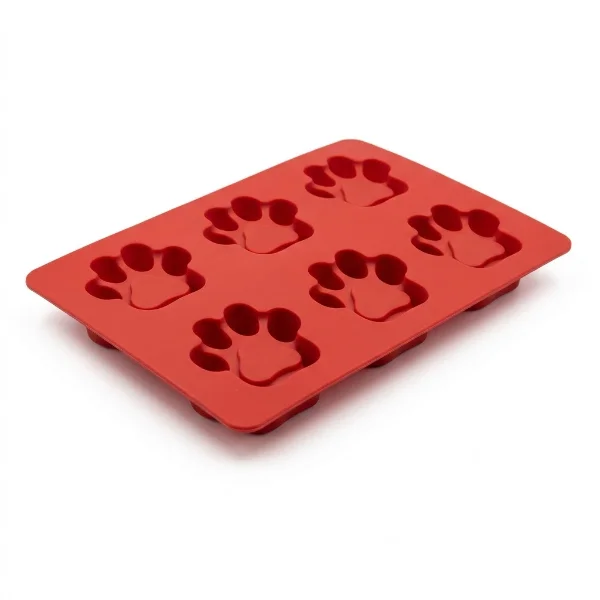
Selecto Bake dog paw print mould
A paw-print mould from our frozen dog treats guide for portioned bites.
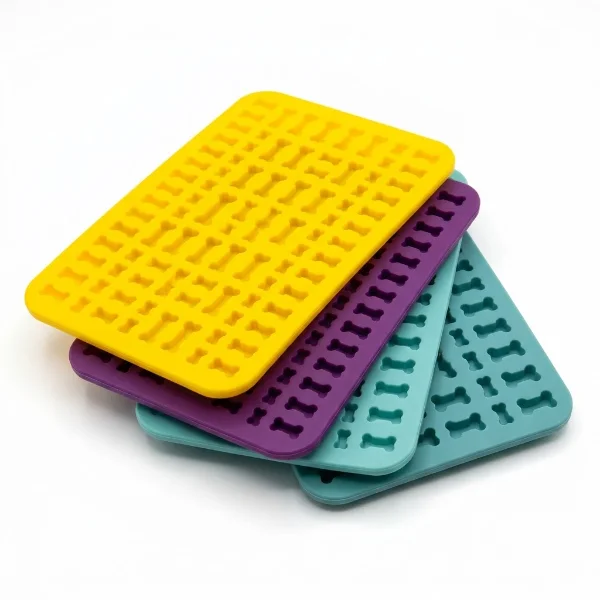
Silicone mini dog bone mould set
Small bone-shaped moulds from our frozen dog treats guide, for tiny portions.
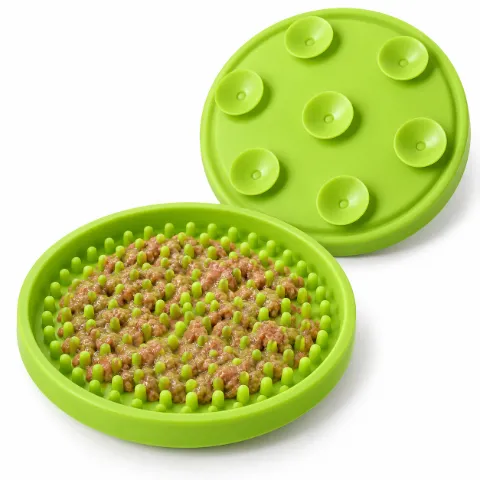
LickiMat UFO
From our frozen KONG and lick mat recipes guide; supervised use only.

West Paw Toppl (Small)
A treat-dispensing toy from our guide; use it under supervision.
Selecto Bake dog paw print mould
A paw-print mould for freezing small, portioned fruit bites.
Silicone mini dog bone mould set
Small bone-shaped moulds for tiny frozen portions.
West Paw Toppl (Small)
A treat-dispensing toy to make a small treat last longer.

The Slowdown Bowl silicone slow feeder and lick bowl
A silicone lick bowl for spreading a thin layer of mashed kiwi or freezing a little.
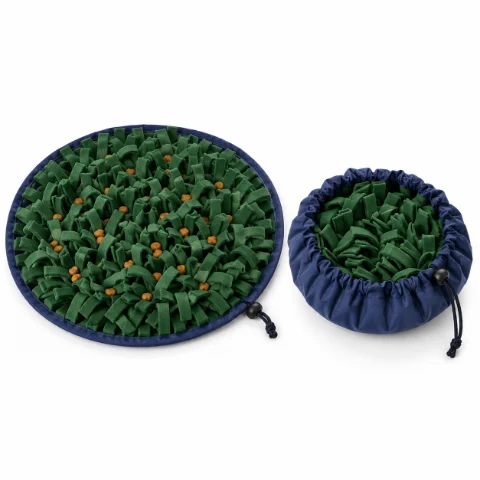
PET ARENA Adjustable Snuffle Mat
A place to scatter a few small, peeled kiwi pieces among your dog's usual treats so they sniff them out.
Pictures are illustrations, not the actual products.
More detail on the first three is in Useful gear for fruit treats below. These help with the routine; they don't replace your vet.
Can dogs eat kiwi fruit?
Yes. Kiwi fruit isn't toxic to dogs, and PetMD calls it a safe snack when given on occasion and in small amounts. Peel it, cut the flesh into small pieces and offer a few at a time. Treat it as an extra, never a replacement for your dog's complete and balanced food.
The American Kennel Club (AKC) says the same: kiwi should be an occasional treat in small amounts, and it shouldn't replace a complete and balanced diet (AKC, updated 22 June 2026). Both sources say to cut it small, because a whole kiwi can lodge in a dog's throat or cause a blockage, especially in a larger dog (PetMD, updated 7 June 2023, reviewed by Sandra C. Mitchell, DVM, DABVP). Offer one new food at a time, and watch for vomiting or diarrhoea.
Is kiwi fruit good for dogs?
In small amounts it's a pleasant treat, but dogs don't need it. PetMD describes kiwi as a good source of vitamin C, fibre and potassium. The AKC points out that dogs have different nutritional needs from people, so they won't get the same benefits we do. A complete, balanced dog food is what meets their needs.
Kiwi is also high in water and fibre, which PetMD notes is the reason too much can upset the tummy. It's high in sugar as well, which is why PetMD says it's a risk for dogs with diabetes. So think of it as a bit of variety, not a health food, and count it as part of the treat allowance.
Can dogs eat kiwi skin?
No, it's best to peel it. Kiwi skin isn't toxic, but the AKC says it's tough and high in insoluble fibre, and it can upset the stomach. PetMD agrees it's hard to digest and may cause gas or other discomfort. Peeling takes a few seconds and removes the guesswork.
The AKC notes that the fibre can move food through the gut quickly, and too much may cause diarrhoea (AKC, updated 22 June 2026). Our fruits hub gives the same advice, and the same peel-first rule applies to pineapple and mango.
Can dogs eat kiwi seeds?
Yes. The tiny black seeds inside kiwi fruit aren't a concern. PetMD says they're not toxic and are small enough that they shouldn't cause choking or blockages, so there's no need to pick them out. The whole fruit is the bigger risk, because a whole kiwi can lodge in the throat (PetMD, updated 7 June 2023).
That makes kiwi different from fruits with a large stone or core, where the seeds or pit do matter. See can dogs eat apples for a fruit where the core and seeds come out first.
Can dogs eat gold kiwi?
Gold kiwi is a kiwi fruit too, and we'd handle it the same way as green. But we didn't find a vet source that compares gold and green kiwi for dogs, so we can't say one is safer or healthier. Both are fruit with natural sugar, so peel it, cut it small and keep portions modest.
If you aren't sure about a particular variety, our Can my pet eat this? checker covers kiwi fruit, and your vet can answer questions about your own dog.
How much kiwi fruit can a dog have?
A few small pieces is plenty. PetMD suggests one or two teaspoon-sized pieces for the smallest dogs, rising to up to ten for dogs over 41 kg. Keep all treats, fruit included, to about 10% of daily calories, as the AKC says, and start with less the first time.
| Dog size | Weight | About how much (teaspoon-sized pieces) |
|---|---|---|
| Extra small | 1 to 9 kg | 1 to 2 pieces |
| Small | 10 to 14 kg | Up to 4 pieces |
| Medium | 15 to 23 kg | Up to 6 pieces |
| Large | 24 to 41 kg | Up to 8 pieces |
| Extra large | Over 41 kg | Up to 10 pieces |
PetMD gives these amounts for healthy adult dogs, in pounds, and we've converted them to kilograms and rounded. They're ceilings, not targets, and the 10% limit comes from the AKC's mango page (AKC, updated 27 April 2026). Dogs that are overweight, diabetic, have pancreatitis or are on a special diet should have fruit on their vet's say-so.
Can kiwi help a constipated dog?
Not reliably, and we wouldn't use it as a treatment. Kiwi has fibre and water, which PetMD says is why some people eat it for their own constipation, but it warns that too much can give a dog an upset stomach or diarrhoea. A constipated dog needs a vet if it lasts or they seem unwell.
VCA says to call your vet if your dog hasn't passed a bowel movement within 48 to 72 hours of the last one. At home it says to encourage drinking and limit access to bones. The treatments it describes are a vet's job, and it says the right diet depends on the cause, sometimes lower fibre and sometimes higher, so your vet should guide it (VCA, updated 30 July 2025). Signs that may go with constipation include repeated unsuccessful attempts to poo, a tense or painful belly, vomiting and a poor appetite.
Choose by situation
| Your situation | What to do | Our guide |
|---|---|---|
| Offering kiwi for the first time | One or two peeled, teaspoon-sized pieces, then watch for a few days | This page |
| Small dog | Stay at the low end of the table, peeled and cut small | Can dogs eat blueberries? |
| Dog with diabetes or weight problems | Ask your vet first, as kiwi is high in sugar | What fruits can dogs eat? |
| Fruit salad on the table | Pick out the kiwi, peel it and remove any grapes, raisins or sultanas | Can dogs eat grapes? |
| Dog seems constipated | Call your vet rather than reaching for fruit | The vet box below |
| Dog swallowed a whole kiwi | Call your vet for advice, even if they seem fine | The vet box below |
Useful gear for fruit treats
Kiwi works best in small pieces, so a slow-feeding tool helps it last. These are picks from our own product guides.
- LickiMat Classic Buddy: spread a little mashed, peeled kiwi with plain yoghurt and freeze. Lick mats are for supervised use. More in our lick mats guide.
- KONG Classic: mix a few small pieces into your dog's usual food and freeze. KONG advises supervision. See our treat-dispensing toys guide.
- silicone paw and bone moulds: freeze small fruit bites for hot days. More ideas in our frozen dog treats guide.
When to see a vet
Call your vet if your dog swallows a whole kiwi, or has gagging, coughing or pawing at the mouth after eating it. A whole kiwi can lodge in the throat or block the gut.
- Vomiting or retching, especially more than once
- Diarrhoea that doesn't settle
- Straining to poo, or no poo within 48 to 72 hours of the last one
- A swollen, tense or sore belly
- Loss of appetite or unusual tiredness
If your dog has eaten something toxic such as grapes, raisins or xylitol, call your vet or the Animal Poisons Helpline (1300 869 738, 24/7) straight away. Don't make your dog vomit at home unless a vet tells you to. See our toxic foods list and our fruits guide.
Frequently asked questions
Can puppies eat kiwi fruit?
Possibly, in tiny amounts, but ask your vet first. The serving sizes PetMD gives are for healthy adult dogs, and neither source we read covers puppies. Puppies have sensitive tummies, so if your vet says yes, start with one tiny, peeled piece and watch how they respond.
What vitamins are in kiwi fruit?
PetMD describes kiwi as a good source of vitamin C, fibre and potassium, and the AKC mentions vitamin C and potassium. The AKC adds that dogs don't have the same nutritional needs as people, so they won't get the same benefits. A complete dog food already supplies the nutrients dogs need.
Can dogs eat kiwi every day?
It's better not to. The AKC says kiwi should be an occasional treat, and the fibre can cause diarrhoea if there's too much. Treats of all kinds should stay within about 10% of daily calories, so a few pieces now and then is plenty for most dogs.
Can dogs with diabetes eat kiwi?
Ask your vet first. PetMD says kiwi is high in sugar, which may cause blood sugar spikes and poses a risk for dogs with diabetes. It also says dogs on prescription diets shouldn't have treats outside that diet, and dogs with sensitive stomachs may be better off without kiwi. Your vet knows your dog's condition best.
Can dogs eat dried kiwi or kiwi jam?
Best to skip them. Neither source we read covers dried or preserved kiwi. Shop-bought dried fruit and jam often have added sugar, and dried fruit mixes can contain raisins or sultanas, which can cause kidney failure in dogs. Plain, peeled, fresh kiwi is the simplest choice.
Can dogs eat fruit salad with kiwi in it?
Yes, once you pick the pieces out first. Peel the kiwi, cut it small and remove any grapes, raisins or sultanas, which are never safe for dogs. Skip anything with added sugar or syrup. Our can dogs eat grapes guide explains why even a few can be an emergency.
What should I do if my dog ate a whole kiwi?
Call your vet for advice, even if your dog seems fine. PetMD and the AKC both warn that a whole kiwi can cause choking or lodge in the throat, and PetMD adds that it can cause an intestinal blockage. Watch for gagging, vomiting or a sore belly, and don't try to make your dog sick.
What fruits help with dog constipation?
No fruit is a dependable fix, and we wouldn't try one without asking your vet. VCA says the right diet depends on the cause of the constipation, and your vet should guide it. Keep fresh water available, and call your vet if your dog hasn't pooed within 48 to 72 hours of the last time.
Related guides
- What fruits can dogs eat?
- Can dogs eat bananas?
- Can dogs eat blueberries?
- Can dogs eat grapes?
- Can dogs eat strawberries?
- Can dogs eat mango?
- Can my pet eat this? food checker
- All our dog guides
Sources
- American Kennel Club, Can dogs eat kiwi? updated 22 June 2026, page read 6 November 2026 (https://www.akc.org/expert-advice/nutrition/can-dogs-eat-kiwi/)
- PetMD, Can dogs eat kiwi? updated 7 June 2023, reviewed by Sandra C. Mitchell, DVM, DABVP, page read 6 November 2026 (https://www.petmd.com/dog/nutrition/can-dogs-eat-kiwi)
- American Kennel Club, Can dogs eat mango? updated 27 April 2026, page read 6 November 2026 (for the 10% treat guidance) (https://www.akc.org/expert-advice/nutrition/can-dogs-eat-mango/)
- VCA Animal Hospitals, Constipation in dogs, updated 30 July 2025, page read 6 November 2026 (https://vcahospitals.com/know-your-pet/constipation-in-dogs)
This guide provides general information and isn't a substitute for veterinary advice. If you're concerned about your dog's diet or what they've eaten, speak with your vet.