Research guide. WhiskerFinds may earn a commission from links, at no extra cost to you.
Quick answer: Do Dog Rocks work? We found no independent evidence that they do. University turf sources blame concentrated nitrogen in urine, and say watering the spot and training your dog to a non-lawn area help. If you still want to try them, our top pick is the Dog Rocks 200 g pack.
If your dog is suddenly drinking or weeing much more than usual, start with our guide on a dog drinking a lot of water.
Quick picks
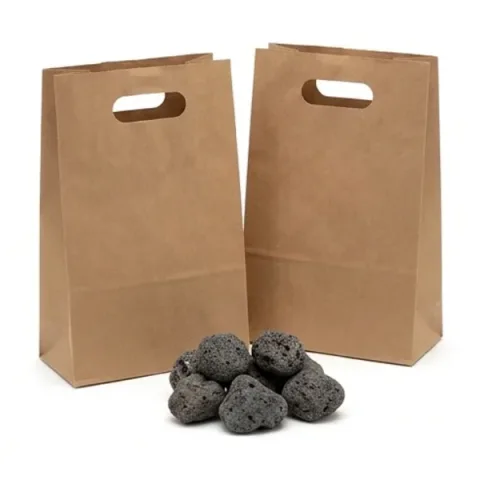
Dog Rocks 200 g, 2 bags
The brand's standard pack for one water bowl; no independent evidence found
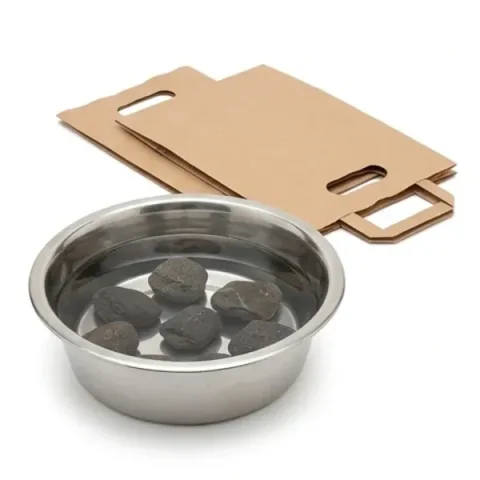
Dog Rocks 600 g, 2 bags
Bigger packs for several bowls or dogs; same limits as the 200 g
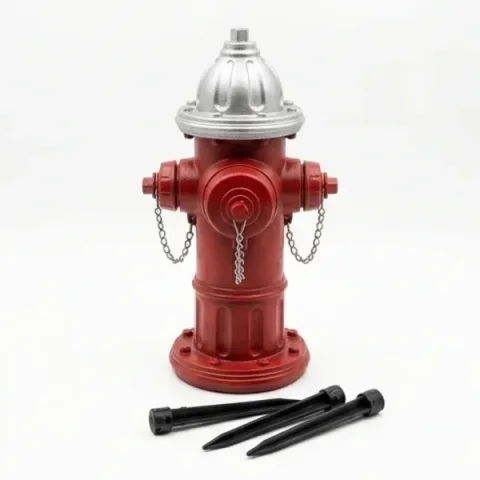
Prefdo resin fire hydrant pee post, 37 cm
A marker that gives a dog a place to go that isn't your lawn
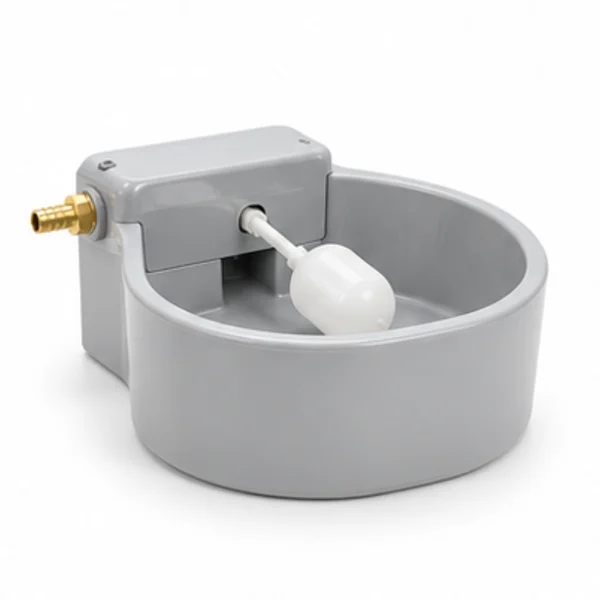
Float drinking bowl
Keeps fresh water topped up automatically, so your dog always has water.
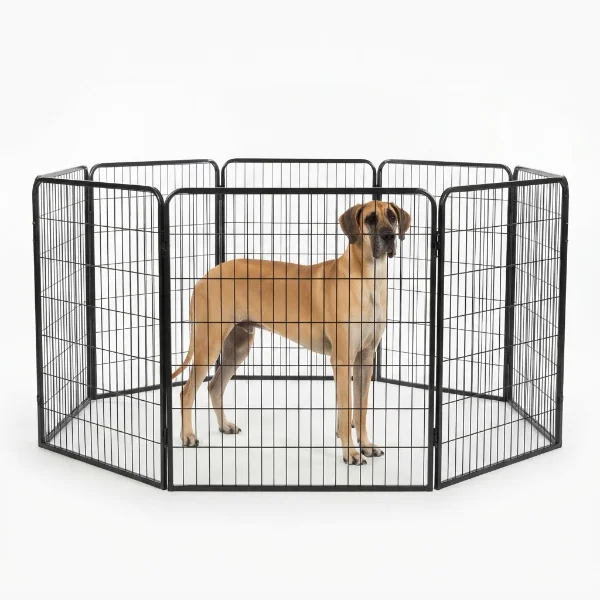
Foldable exercise pen
Lets you fence off a patch of lawn while it recovers.
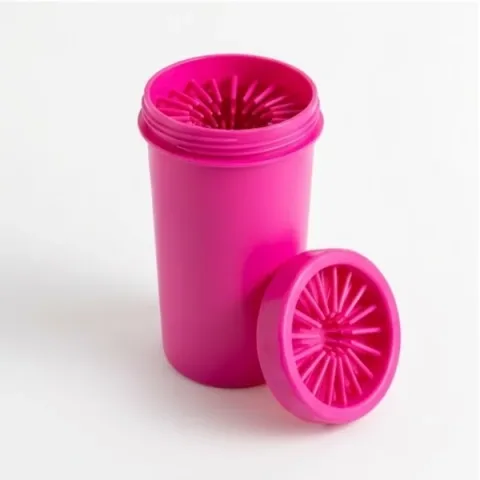
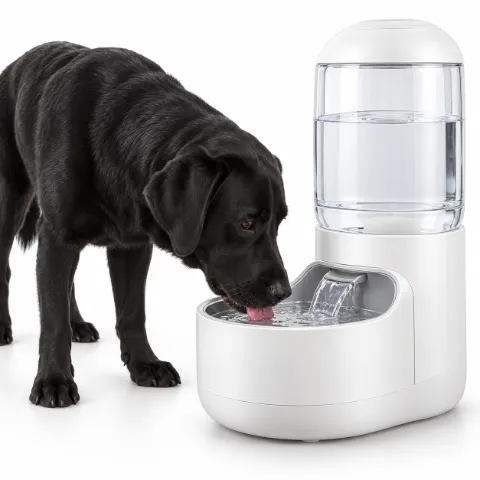
Dog water fountain
Fresh water on tap all day, which suits the advice never to cut back your dog's water.
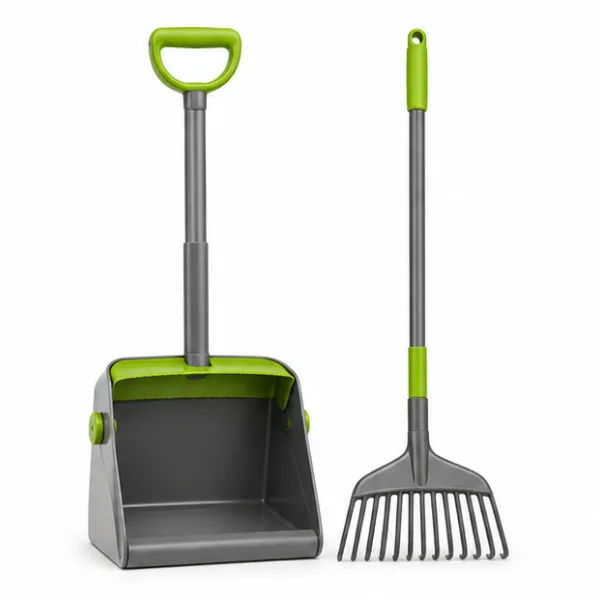
Pooper scooper with bin and rake
Picking up solid waste promptly keeps the lawn tidier.
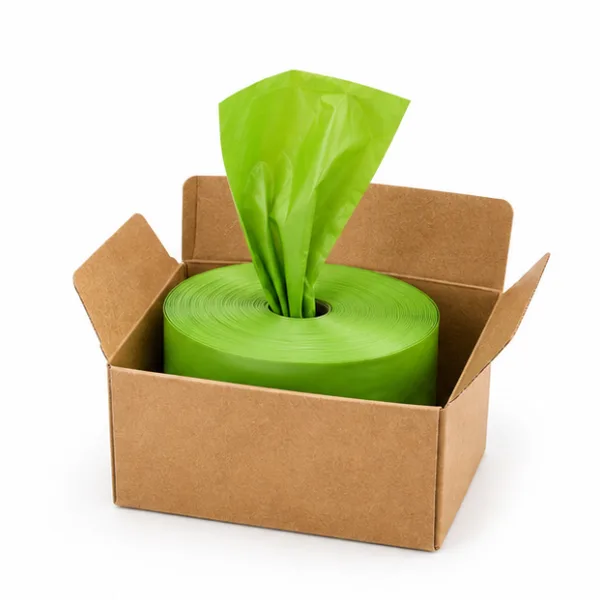
Dog poo bags on a roll
A roll of bags for walks and the backyard clean-up.
Pictures are illustrations, not the actual products.
What are Dog Rocks and how are they meant to work?
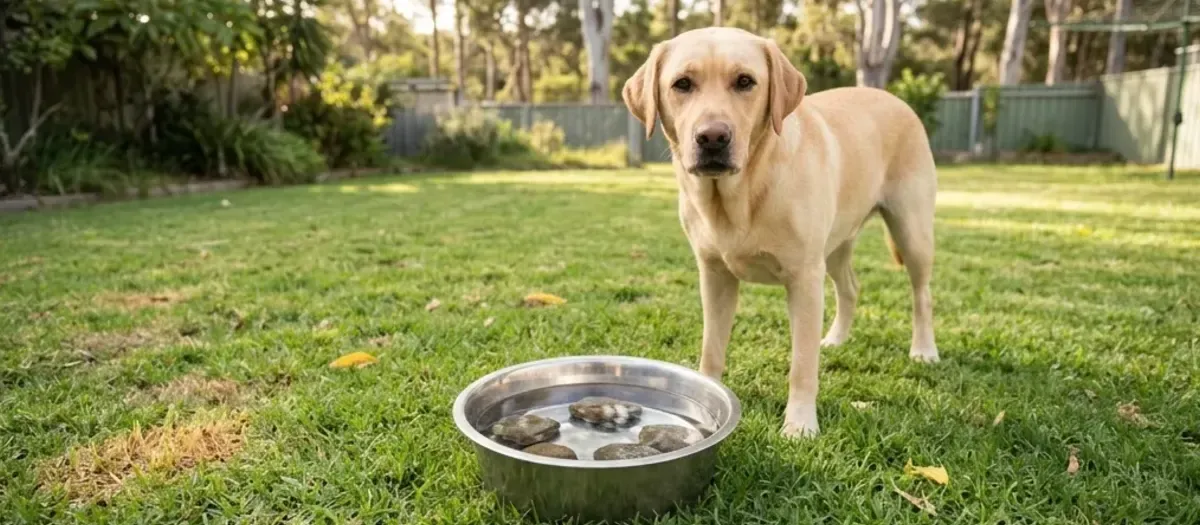
Dog Rocks are lumps of igneous rock that you leave in your dog's water bowl. The brand says they filter nitrates, tin and ammonia out of drinking water, so less of it ends up in urine and your lawn looks greener. It says they don't change urine pH.
The listings call them naturally occurring paramagnetic igneous rock mined in Australia. The brand's directions: rinse the rocks, put 200 g in a bowl holding up to 2 litres, top the water up rather than emptying the bowl, and replace the rocks every 2 months. The listings say you may notice a change in 3 to 5 weeks, and the brand says they won't repair existing patches. Those are the brand's claims, not ours.
Do Dog Rocks work? Claim versus evidence
We couldn't find an independent trial showing Dog Rocks stop lawn burn. The brand's site (dogrocks.com.au, opened 11 November 2026) offers testimonials and before-and-after photos, links no study, and says the product is vet endorsed without naming a vet or body.
| Brand claim | What the sources say | Independent evidence found? |
|---|---|---|
| Rocks filter nitrates and other trace elements from drinking water | Turf sources trace the burn to nitrogen in the dog's urine, mainly from urea, a waste product of protein. None we read points to drinking-water nitrates | No |
| Doesn't change urine pH | Agreed that pH isn't the cause. Penn State Extension lists "dog rocks" among pH-type ideas that miss the point | Not needed; pH isn't the issue |
| Results in 3 to 5 weeks | A brand timeframe; we found no study behind it | No |
| Safe for all pets | The listing says so. We found no independent safety study | No |
| Vet endorsed | No vet or body is named on the brand's site | No |
If you try a pack, treat it as an experiment alongside the fixes below, not instead of them.
Our picks in detail
1. Dog Rocks 200 g, 2 bags: best if you want to try Dog Rocks
A two-bag set, 200 g per bag. The brand says each bag lasts about 2 months in a bowl of up to 2 litres, so the set would cover about 4 months. Rock sizes differ from pack to pack.
- Pros: the brand's standard pack; clear directions
- Cons: no independent evidence found that it works; dose assumes one bowl of up to 2 litres
- Best for: owners who want to try it after reading the evidence on this page, with one main water bowl
- Skip it if: your dog chews or swallows things from the bowl, or you'd rather spend on training and repair
2. Dog Rocks 600 g, 2 bags: best for several bowls or dogs
The bulk version. The title says 2 bags of 600 g, each lasting 6 months, with the same dose of 200 g per bowl of up to 2 litres. The listing describes the contents inconsistently (the details give 600 g as the item weight and 1200 g as the unit count), so check what you're buying.
- Pros: covers several bowls; the same rock as the 200 g pack
- Cons: the same lack of independent evidence; inconsistent weights on the listing
- Best for: homes with several dogs or water stations
- Skip it if: you have one dog and one bowl, or haven't tried the 200 g pack first
3. Prefdo resin fire hydrant pee post, 37 cm: best training aid
A decorative resin fire hydrant: 37 cm tall (14.5 in), 13.5 cm wide (5.3 in), 1.37 kg, painted resin with a UV-resistant finish, and four plastic stakes to anchor it. The listing says it suits small dogs and not huge ones. It fits Penn State's vertical marker idea.
- Pros: an obvious marking target for a male dog; stakes included
- Cons: sized for small dogs per the listing, so a big dog could knock it over; a cue, not a fix on its own
- Best for: small to medium male dogs, or any dog you are training to a set spot
- Skip it if: you have a large, boisterous dog
What actually causes lawn burn?
Lawn burn comes from a high concentration of nitrogen compounds and salts landing on one small patch of grass. Urea in urine acts like a strong dose of fertiliser, and a ring of lush green often grows around the dead centre where the urine is more dilute.
- Size and squatting matter. Colorado State University Extension says squatters, mostly females, and bigger dogs make bigger spots.
- Water on the spot helps. The Purdue vet article reproduced on plantanswers.com (Dr Steve Thompson) describes an older study where watering within about 8 hours produced a fertiliser effect, and the benefit faded after that. It used US grasses, so read it as "the sooner, the better".
What works to stop dog urine killing grass?
Water the spot straight after your dog goes, and train your dog to use a non-lawn area such as mulch or gravel. Those are the two fixes the university sources back. Keep fresh water out all day, because diluted urine is gentler on grass and drinking is healthy.
| Fix | What it involves | Evidence in the sources we read |
|---|---|---|
| Water the spot | Soak the patch soon after your dog wees | Strong: the one method Penn State calls research-supported |
| Train to a toilet area | Pick a mulch or gravel corner (a grass potty tray is another non-lawn option), take your dog there on lead, reward them | Strong: Colorado State says the sure prevention is steering the dog off turf |
| Keep your dog well hydrated | Fresh water always available; never restrict it | Moderate: Penn State says it dilutes urine |
| Repair and reseed | Remove dead grass, loosen soil, reseed (steps below) | Moderate: standard turf advice |
| Dog Rocks | Rocks in the water bowl | None found |
| Urine-changing chews | Supplements that alter urine | Not recommended; see below |
How do you train a dog to use a toilet spot?
Choose a mulch or gravel patch, take your dog there on lead after meals, drinks and play, and reward them when they go. Colorado State says this is the sure way to prevent spots. Penn State suggests a vertical marker for male dogs, since they like to mark upright objects.
The routine matches our puppy toilet training guide. For smell, see our enzyme cleaner guide.
How do you repair burnt patches?
Rake out the dead grass, loosen the soil, then reseed or patch with the same type of grass as the rest of your lawn, as Penn State Extension describes. Water lightly until it sprouts. Set up the toilet spot first so the same patch isn't hit again.
Why do we skip lawn chews that change urine?
We don't recommend lawn chews that change the dog's urine (DL-methionine). Penn State advises checking with a vet before buying any product meant to change urine nitrogen. Urine acidifiers can affect bladder health, so this is a decision for your vet.
- Colorado State says no dietary supplement has been scientifically shown to reduce spotting, and that acidifying supplements may cause urinary problems.
- The Purdue vet article says acidifiers have no benefit here and may predispose a dog to certain bladder stones.
- PetMD (Molly Price DVM) says DL-methionine is for use under direct veterinary supervision, and isn't for pets with kidney, liver or pancreatic disease, or with certain bladder stones.
Are Dog Rocks safe for dogs?
The brand and the listings say Dog Rocks are safe for all household pets, including a cat sharing the bowl. We found no independent safety study, so that is the brand's claim. Our main worry is a dog that fishes the rocks out and chews them.
Hard rock can wear or crack teeth, and a dog can swallow a piece. If you try them, soak the rocks in a jug and pour that water into the bowl, so there is nothing to chew. The brand's directions put the rocks in the bowl, so this is our workaround, not the maker's instruction.
Dog Rocks packs compared
Sizes and directions from the two listings, checked on 11 Nov 2026:
| Pack | Listing's pack size | Brand's replace time | Brand's dose |
|---|---|---|---|
| Dog Rocks 200 g | 2 bags of 200 g | Every 2 months | 200 g per bowl up to 2 litres |
| Dog Rocks 600 g | Titled as 2 bags of 600 g | Every 6 months | 200 g per bowl up to 2 litres |
Choose by situation
| Your situation | What to do first |
|---|---|
| One dog, a few new patches | Water the spot, start a toilet spot, repair the patches |
| Several dogs or several bowls | Same steps; a 600 g pack covers more bowls if you want to try the rocks |
| A male dog that marks upright things | A marker post in a mulch or gravel corner |
| A large dog | Expect bigger patches; a bigger toilet area will suit |
| Your dog is drinking or weeing far more than usual | See your vet before changing anything |
| A dog that chews or swallows odd things | Skip rocks in the bowl, or use the jug method |
How we chose
We shortlisted Dog Rocks packs and lawn-training aids on Amazon Australia that met all of these checks:
- Well rated: a strong average rating with plenty of buyer reviews.
- No red flags: no pattern of poor reviews, safety complaints or listing problems.
- Available on Amazon Australia when we checked.
- The maker's own directions and warnings, printed as the brand's claims.
- Sizes and materials from the listing.
- Independent evidence: university turf sources and a vet drug page.
These are researched picks, not products we've personally tried. We compared the specifications on each Amazon Australia listing, checked on 11 Nov 2026.
Left out this time: lawn chews that change the dog's urine (DL-methionine), for the safety reasons above; overseas Dog Rocks listings that duplicate the Australian packs; rock products of unstated composition; and overseas lawn sprays with no guidance for our turf.
When to see a vet
See your vet before using any product that changes your dog's urine, and before adding anything to food or water if your dog has kidney, bladder, liver or heart disease.
Book a check if your dog is suddenly drinking or weeing much more than usual, strains to wee, has blood in the urine, or is having accidents indoors. Call your vet straight away if your dog can't pass urine or seems in pain. Never cut back your dog's water.
If your dog swallows a rock or a piece of one, or gags, call your vet. Our dog drinking a lot of water guide explains what is normal.
Frequently asked questions
What do vets think of Dog Rocks?
We couldn't find a named vet or veterinary body backing Dog Rocks. The brand says it is vet endorsed but names no one. The vet and turf sources we read focus on watering the spot, training, and not changing urine with supplements.
Why does my dog's wee kill the grass?
Urine contains urea, which is rich in nitrogen. Too much nitrogen in one spot burns grass like an overdose of fertiliser. Penn State Extension says the cause is nitrogen, not pH. Larger dogs, and dogs that squat in one place, may cause bigger patches.
Does watering the spot stop lawn burn?
Watering helps. Penn State Extension calls diluting the spot with water soon after your dog goes the one method it describes as research-supported. Do it as soon as you can, because an older study found the benefit faded after about 8 hours.
What can I use instead of Dog Rocks?
Water the spot, train your dog to a mulch or gravel toilet area (a marker post helps male dogs), and reseed damaged patches with your lawn's own grass. We skip urine-acidifying chews, because acidifiers can affect bladder stones and are a vet decision.
Is female dog urine worse for grass?
Not because it is chemically stronger. Squatting, which most females do and some males do too, delivers the urine to one spot, and Colorado State says bigger dogs make bigger spots. A marker post suits a male dog that likes to mark upright things.
What grass survives dog urine in Australia?
No grass is immune. The US extension pages we read found tall fescue and perennial ryegrass more tolerant, and Kentucky bluegrass and bermuda more sensitive, and those are mostly cool-season grasses. For an Australian warm-season lawn, ask a local turf supplier or nursery which variety suits your yard.
Should I give my dog less water to stop lawn burn?
No. Dogs need fresh water available all day, and cutting back can harm their health. Penn State says keeping your dog well hydrated helps dilute urine. A sudden jump in drinking is a reason to see your vet.
Related guides
- Pet odour eliminators (yard odour)
- Indoor dog toilets
- Fake grass for dogs
- Dog drinking a lot of water? How much is normal
- Enzyme cleaners for dog urine: picks that remove the smell
- How to toilet train a puppy: a step-by-step guide
- Best dog water bowl in Australia
- Pooper scooper for dogs: rake, jaw and bag scoopers compared
- Best fetch balls for dogs
- Best dog ID tags
- Dogs
Sources
- Penn State Extension, Dogs vs. Lawns (https://extension.psu.edu/dogs-vs-lawns), read 11 November 2026
- Dog Rocks Australia, brand site (https://www.dogrocks.com.au), opened 11 November 2026, cited only for what the brand says
- Colorado State University Extension, GardenNotes 553, Dog Urine Damage on Lawns: Causes, Cures, and Prevention (Alison O'Connor and Anthony Koski, reviewed June 2025) (https://extension.colostate.edu/resource/dog-urine-damage-on-lawns-causes-cures-and-prevention/), read 11 November 2026
- Purdue University veterinary article, Dog-on-it Lawn Problems (Dr Steve Thompson DVM), as reproduced on plantanswers.com (https://plantanswers.com/turf/dog_lawn_problems.html), read 11 November 2026
- PetMD, DL-Methionine for Dogs and Cats (Molly Price DVM) (https://www.petmd.com/pet-medication/dl-methionine-dogs-and-cats), read 11 November 2026
- Product details from each linked Amazon Australia listing, checked on 11 Nov 2026.
This guide provides general information and isn't a substitute for veterinary advice. If you're concerned about your dog's urine, drinking or bladder health, speak with your vet.